Sam Altman Swore He Was Trustworthy. A Jury Gets to Decide.
Three weeks into Musk v. Altman, the trial has stopped being about AI and started being about something much older.

Photo · The Verge
There's a moment in every tech trial where the curtain falls away and you realize you're not watching a fight about technology at all. You're watching a fight about who gets to be in charge of the money.
Musk v. Altman got there fast.
The Mission Was Always the Cover Story
The lawsuit, filed in 2024, frames itself as a principled stand: Elon Musk accusing OpenAI of abandoning its founding mission to develop AI for humanity's benefit and pivoting instead toward profit. Noble framing. The kind of thing that sounds good in a press release, or a founding document, or a nonprofit charter that was apparently never meant to be taken too literally.
But watch what's actually happening in that San Francisco courtroom. Musk testified. His financial manager and Neuralink CEO Jared Birchall testified. OpenAI cofounder Greg Brockman testified. Former board member Shivon Zilis — who, the sources note, shares four children with Musk — took the stand. Former OpenAI CTO Mira Murati appeared via videotaped deposition. This week brought Microsoft CEO Satya Nadella, then Ilya Sutskever, OpenAI's cofounder and former chief scientist. The whole founding generation of the most consequential AI company on earth, assembled in a federal courtroom, being asked to explain themselves under oath.
And in the middle of all of it, Sam Altman looked at the jury and said, plainly: "I believe I am an honest and trustworthy business person."
That sentence is doing a lot of work. It's the sentence of a man who knows the jury is deciding whether to believe him. It's also — and this is the part that deserves more attention — the sentence of someone who apparently felt the need to say it out loud.
Microsoft Would Like You to Know They Have an Xbox
The most clarifying presence in this trial might be the one that wants nothing to do with it. A Verge writer covering the proceedings noted that Microsoft's opening statement was, in their words, one of the most Microsoft things they'd ever seen — less a legal argument than a product catalogue, listing Microsoft offerings in some detail while radiating the energy of a company that cannot believe it has to be here. The implication, as the reporter read it: this is absurd, our involvement is absurd, but perhaps you'd enjoy an Xbox.
That's the tell. Microsoft is a named party in a trial about the soul of artificial intelligence, and their primary courtroom instinct was brand management. Which makes a certain kind of sense, because the actual stakes here — who controls OpenAI as it converts from nonprofit to for-profit, who gets what, who answers to whom — are not philosophical. They're structural. They're about ownership.
Wired noted that OpenAI brought a physical exhibit to court intended to demonstrate Musk's behavior to the jury. The details are characteristically strange. But the strangeness is the point: this is what it looks like when a nonprofit origin story collides with the ambitions of the people who built it. It gets weird. It gets personal. It ends up in front of twelve people who have to decide who to believe.
The nonprofit structure that OpenAI was founded under was always, in retrospect, a way of signaling virtue while building something that would eventually be worth a great deal of money. That's not a cynical reading — it's just what happened. And now the founders are in court arguing about it, which is the most honest thing they've done about it yet.
Musk wants you to believe this is about humanity. Altman wants you to believe he's trustworthy. Microsoft wants you to buy a Surface.
The jury has to pick one.
Keep reading tech.

Hide My Email Has Been Showing Your Email
Apple's privacy flagship has a hole in it. They've known for over a year.

Sony Killed the Disc. Sony Is Also Killing the Store.
Two announcements, one company, and a quiet admission that "ownership" was always their word to define.
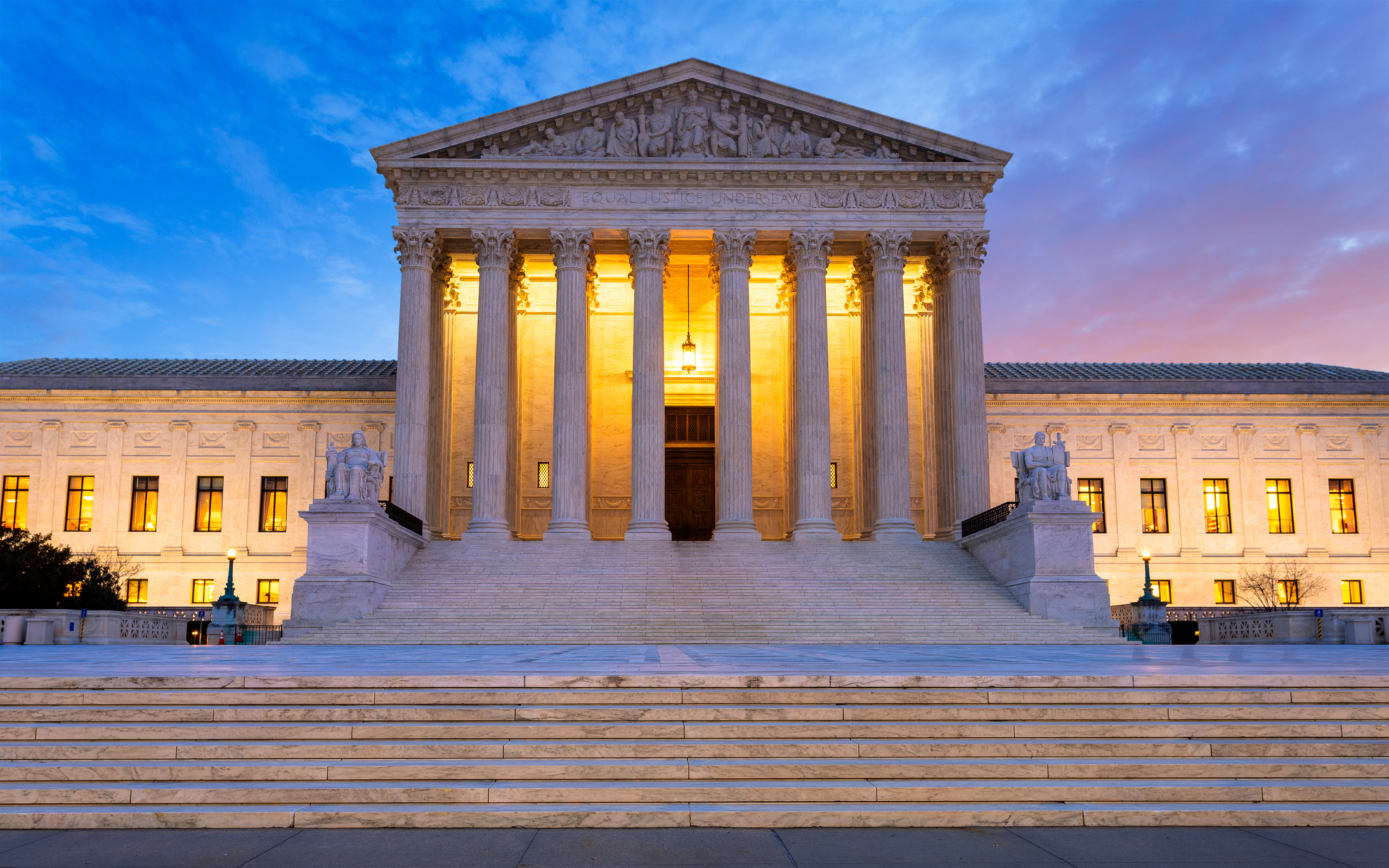
Apple Went to the Highest Court It Could Find. That Tells You Everything.
When a contempt ruling sends you to the Supreme Court, you're not defending a policy anymore — you're defending a worldview.
From the other desks.

800 Horsepower, One Ton of Doubt
Lamborghini built the most powerful SUV it's ever made. It's also slower than what it replaced.

Gold Leaf on a Lacquer Dial, and the Weight of What That Costs
Awake's Frosted Leaf Royal Blue asks a question Vietnamese craft has never quite had to answer at this price.

ESPN Named Him. Then Unnamed Him. Nobody's Explaining the Gap.
A retraction without a reckoning is just a deleted link.