BMW Just Admitted That Driving Still Matters
A promise to keep the manual alive isn't a nostalgia play — it's a confession about what cars are actually for.
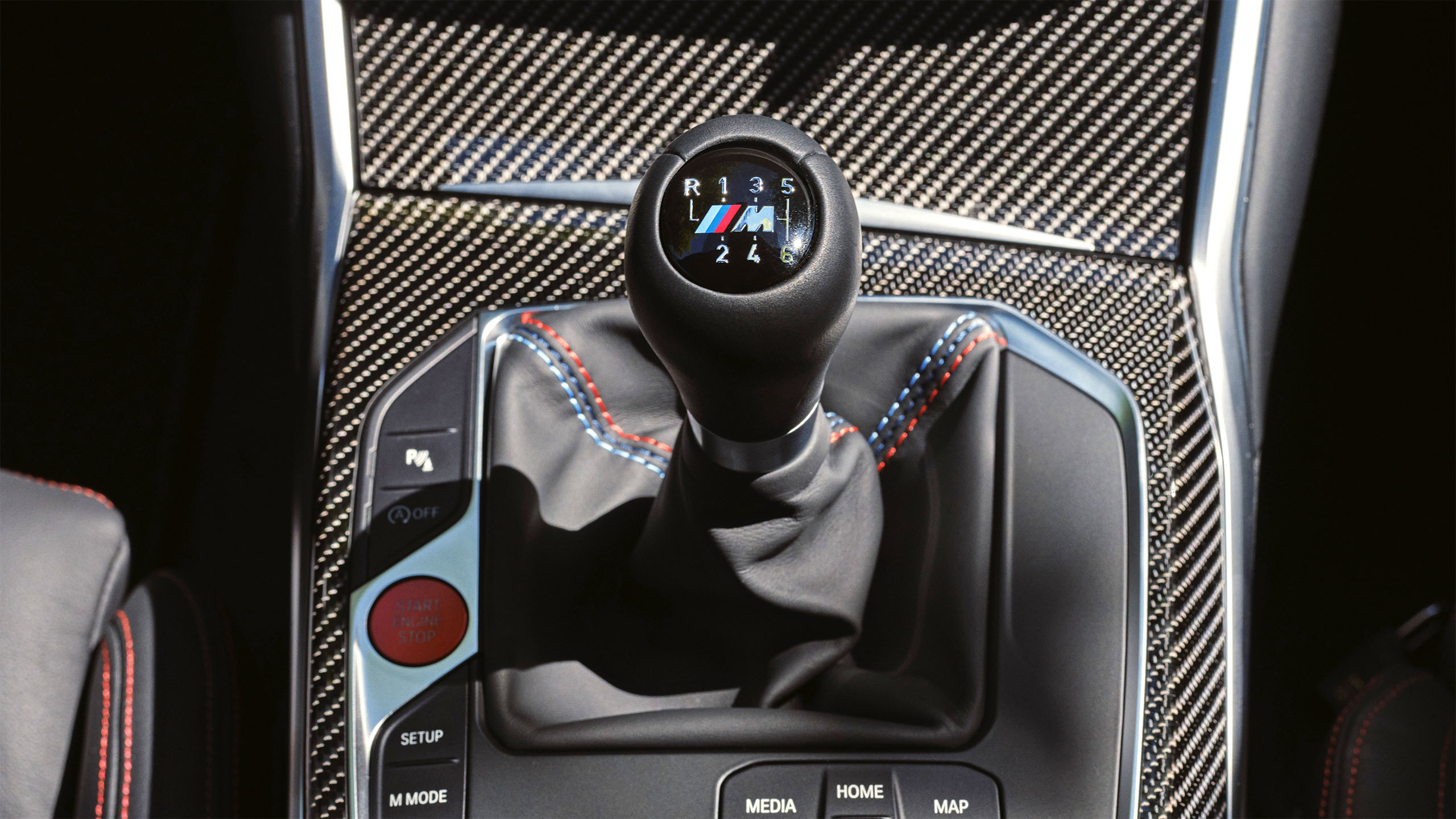
Photo · The Drive
The easiest thing BMW could do is let the manual die quietly. Blame torque figures. Blame electrification. Blame the market. Nobody would push back hard enough to matter.
They're not doing that.
A BMW exec has gone on record promising an engineering solution to the problem of building manual transmissions that can handle the kind of torque modern engines are putting out. That's not a PR softener. That's a resource commitment. Someone signed off on that. Someone wrote it into a budget.
That last part is the part worth sitting with.
What It Costs to Mean It
Automakers say things all the time. They talk about driver engagement and heritage and the soul of the brand. It's easy language. It costs nothing. But engineering a manual gearbox that can absorb 500-plus lb-ft of torque without grenading itself — that costs something real. That's materials testing and calibration hours and manufacturing tooling and a product team that has to justify the line item every quarter.
When the money follows the words, the words mean something.
For context: this is a brand that spent the better part of a decade drifting. The iDrive years. The bangle-era backlash. The gradual softening of the M badge until it started appearing on crossovers and people stopped flinching. BMW has not always acted like a company that remembers what made it worth caring about.
This feels different. Not because of what was said, but because of what it implies about the conversation that had to happen first.
The Torque Problem Is Actually a Philosophy Problem
The engineering challenge is real. Modern turbocharged engines — especially the inline-sixes BMW has been building lately — make torque figures that traditional manual gearboxes weren't designed to absorb. The solution isn't obvious. It requires either rethinking the gearbox internals, rethinking how the clutch manages the load, or both. That's not a software update. That's mechanical problem-solving of the kind that takes years.
But underneath the torque problem is a philosophy problem. Do you believe the car is a device for moving people, or an experience for the person driving it? Those two things aren't mutually exclusive, but they pull in different directions every time a product decision gets made.
Efficiency theater answers that question one way. Three-pedal engineering answers it another.
We are deep into the era of fast-but-hollow. Cars that hit 0–60 in three seconds and feel like appliances doing it. The numbers are extraordinary. The sensation is not. The manual doesn't fix everything — it won't make a bad chassis good — but it does one thing nothing else can: it puts you in the loop. You are part of the machine. You can get it wrong. You can get it exactly right. That variability is not a flaw. It's the whole point.
There's a reason the most talked-about driver's cars of the last decade — the Porsche 911 GT3, the Honda Civic Type R, the GR86 — all offer a manual as either the default or the preferred choice. It's not sentiment. It's that the people who buy those cars bought them on purpose, and they want the thing to feel like it.
BMW promising to engineer around the torque problem isn't them being sentimental. It's them betting that a certain kind of driver — the kind who actually chose the car instead of just acquiring it — still exists and still buys things.
They're right. Go prove it to them.
Keep reading cars.

800 Horsepower, One Ton of Doubt
Lamborghini built the most powerful SUV it's ever made. It's also slower than what it replaced.

£11,990 Draws a Line Under Every Excuse You Had Left
Dacia just made the cheapest new car in Britain electric — and that's not a footnote, it's a verdict.
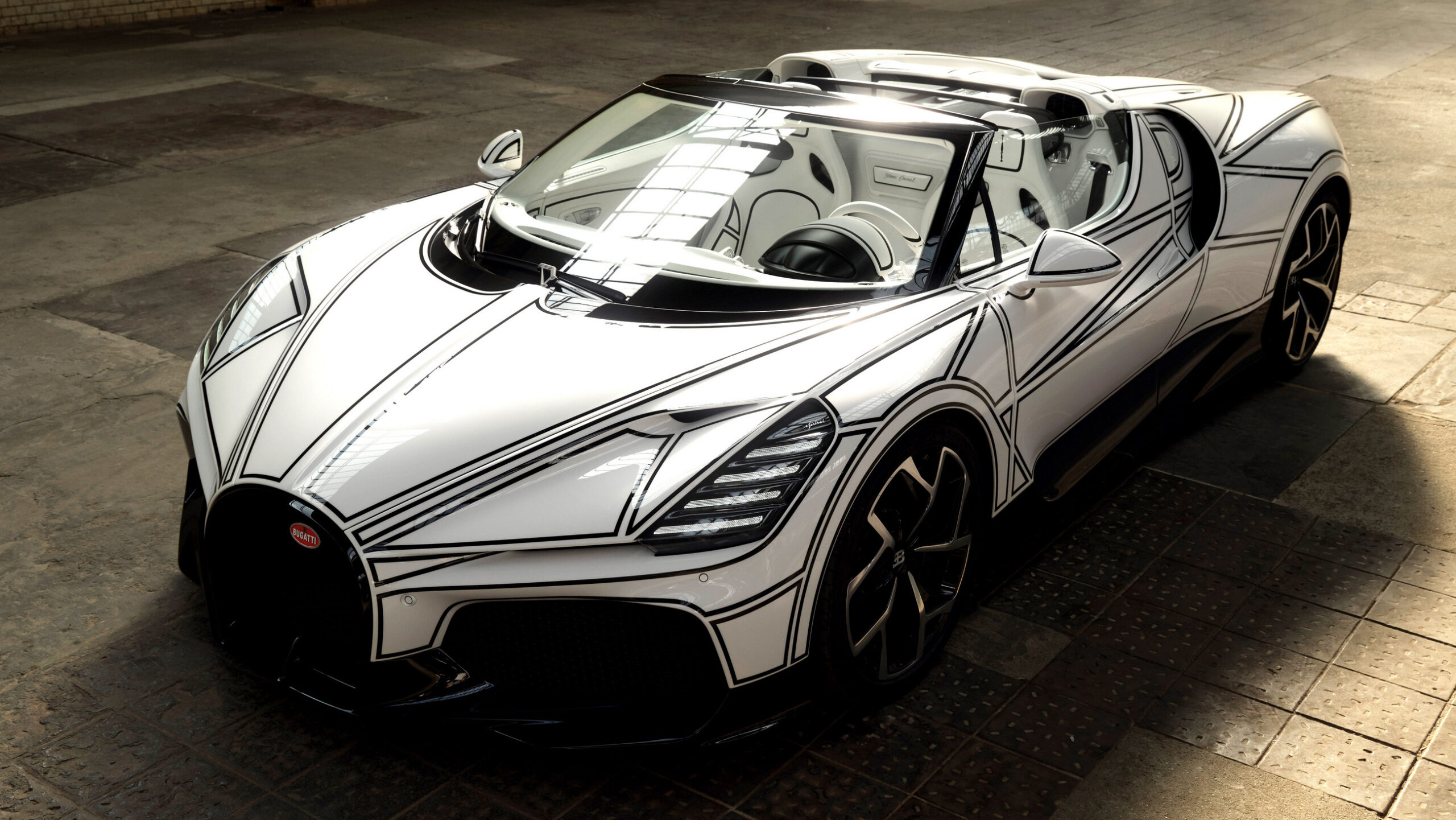
Blanc Éternel Hides Its Speed Behind a Gas Cap
Bugatti built a 261-mph roadster and made sure you'd notice the porcelain first.
From the other desks.

Gold Leaf on a Lacquer Dial, and the Weight of What That Costs
Awake's Frosted Leaf Royal Blue asks a question Vietnamese craft has never quite had to answer at this price.

ESPN Named Him. Then Unnamed Him. Nobody's Explaining the Gap.
A retraction without a reckoning is just a deleted link.

Hide My Email Has Been Showing Your Email
Apple's privacy flagship has a hole in it. They've known for over a year.