From 15% to 25% in a Weekend: Europe's Car Industry Woke Up to a Different Number
When tariff policy moves faster than a model year change, the question isn't what the number is — it's what the number is for.
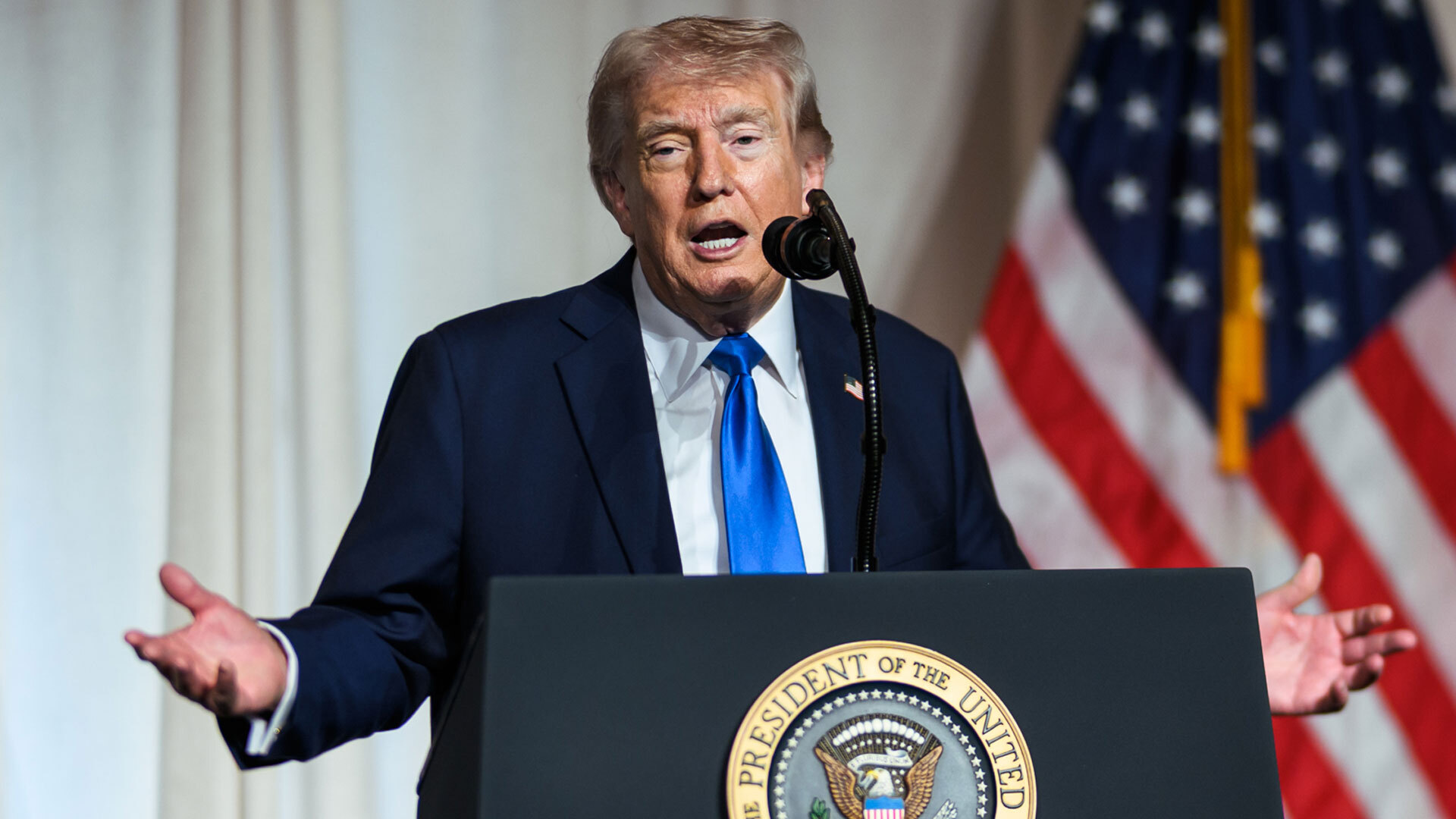
Photo · Carscoops
Friday had a rate. Monday had a different one.
That's the sentence that should stop every European automaker mid-production meeting and every American car buyer mid-negotiation. According to reporting from both Carscoops and Autoweek, President Trump moved the tariff on European cars and trucks from 15% to 25% — not over a quarter, not over a legislative session, but effectively over a weekend. The stated reason, per Carscoops, was that Europe hadn't held up its end of the trade deal. A justification arriving after the number had already moved.
That sequencing is worth sitting with.
The Rate Is the Message
Policy that can shift in days isn't policy in the traditional sense. It's leverage — which isn't necessarily illegitimate, but it does mean the number itself is almost beside the point. Whether it's 15% or 25% or some figure that gets announced next Tuesday, the actual function of the tariff right now is to create uncertainty. And uncertainty, in the car business, is expensive in ways that don't show up in a single headline.
European automakers don't build cars the week they're sold. They plan in years, price in quarters, and ship in months. A tariff that moves in days doesn't give them time to adjust manufacturing. It doesn't give them time to renegotiate supply chains. What it gives them is a margin problem that lands on the showroom floor as a price problem — and eventually lands on the buyer as a sticker they weren't expecting.
Autoweek frames this as a trade dispute intensifying and putting pressure on both European manufacturers and US prices. That framing is accurate. It's also incomplete. The pressure isn't symmetrical. European brands selling into the US market absorb the hit or pass it on. Either way, they're reacting to a number they didn't set and can't predict. That's not a negotiation. That's a hostage situation with a changing ransom.
What Nobody Is Saying Out Loud
Both sources cover the mechanics cleanly: rate went up, Europe is affected, prices will move. What the coverage doesn't fully interrogate is the whipsaw itself as the story. The jump from 15% to 25% isn't just a ten-point increase — it's a demonstration that the previous number was always provisional. Which means the current number is also provisional. Which means every car deal, every import order, every manufacturer's US pricing strategy is now being written in pencil.
There's a version of this that works as negotiating theater — you move fast, you create pressure, you extract concessions. But theater requires an audience that believes the performance might end. Right now, nobody knows when the curtain comes down, or if it does, or what act we're in.
The car that was built in Stuttgart or Bavaria or wherever it came from didn't change between Friday and Monday. Same engine. Same steel. Same hours of labor. The number attached to its arrival in an American port changed because a statement needed to be made. That's not a market signal. That's a mood.
And the American buyer who walks into a showroom for a European vehicle in the coming weeks will pay for that mood, whether they ever heard the word tariff or not.
The machine didn't get more expensive to build. It just got more expensive to want.
Keep reading cars.

800 Horsepower, One Ton of Doubt
Lamborghini built the most powerful SUV it's ever made. It's also slower than what it replaced.

£11,990 Draws a Line Under Every Excuse You Had Left
Dacia just made the cheapest new car in Britain electric — and that's not a footnote, it's a verdict.
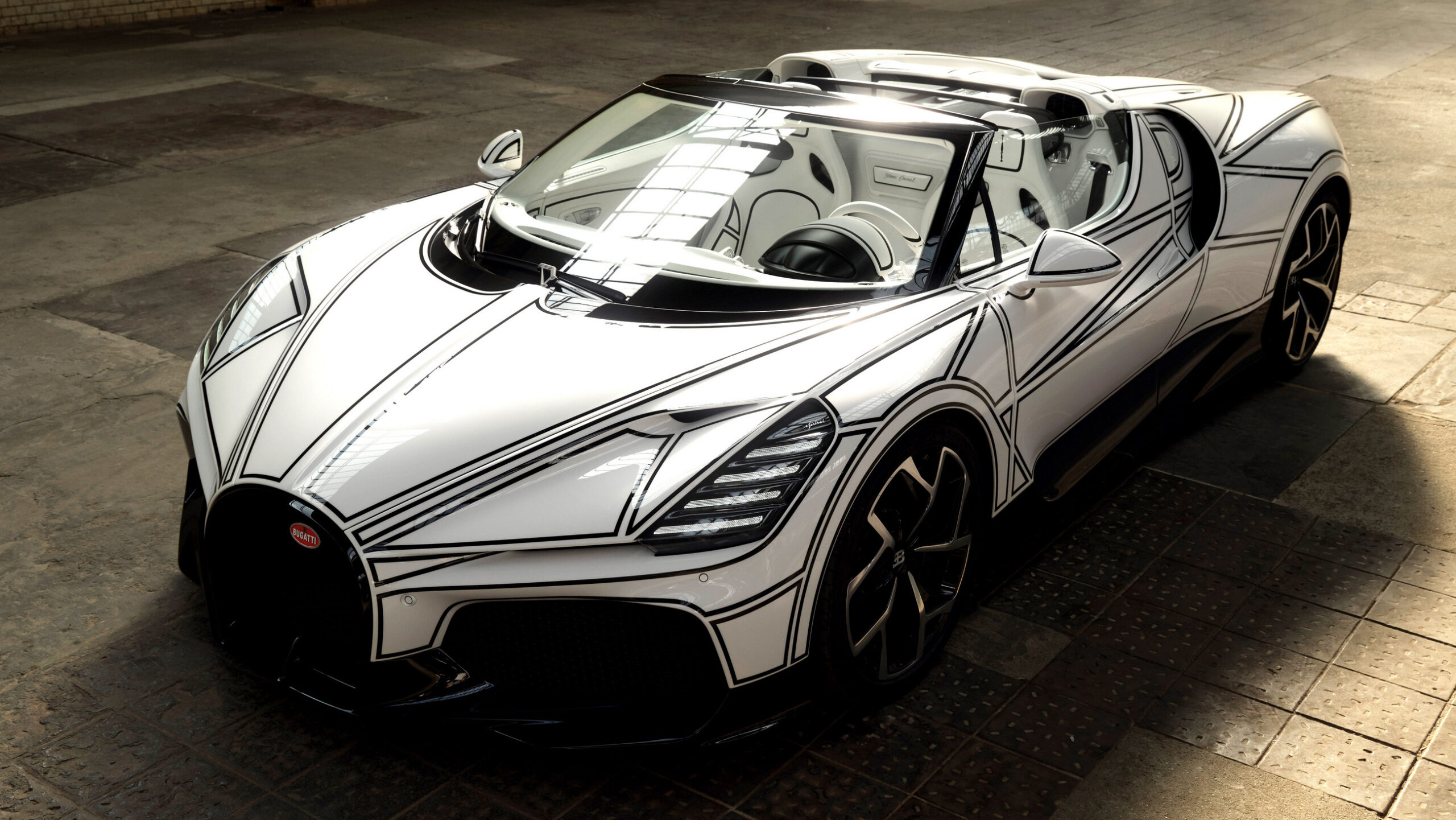
Blanc Éternel Hides Its Speed Behind a Gas Cap
Bugatti built a 261-mph roadster and made sure you'd notice the porcelain first.
From the other desks.

Gold Leaf on a Lacquer Dial, and the Weight of What That Costs
Awake's Frosted Leaf Royal Blue asks a question Vietnamese craft has never quite had to answer at this price.

ESPN Named Him. Then Unnamed Him. Nobody's Explaining the Gap.
A retraction without a reckoning is just a deleted link.

Hide My Email Has Been Showing Your Email
Apple's privacy flagship has a hole in it. They've known for over a year.