Honda's CEO Walked Into a Chinese Factory and Came Out Humbled
When the person running one of the greatest car companies in history says 'we have no chance,' you should probably start paying attention.

Photo · The Drive
The word 'cheap' has done a lot of work for a lot of people who haven't been paying attention.
For years, the default move when Chinese automakers came up was to wave them off. Badge engineering. Copied lines. Interiors that wouldn't survive a decade. The condescension was almost comfortable — a way of not having to take the threat seriously. It cost nothing to dismiss something you'd never driven, never stood next to, never actually looked at.
Then Honda's CEO walked through a Chinese supplier facility and came back shaken.
Not cautious. Not concerned. Shaken. His words, not a translation: we have no chance against this.
That's not a man running a PR line. That's a man who built his career understanding manufacturing at a molecular level, standing inside something that rearranged what he thought he knew.
This Is Not a Small Admission
Honda makes the Civic Type R. The NSX happened because of Honda. VTEC is a punchline now, but it was once proof that a Japanese automaker could out-engineer the world on a fraction of the budget. These are not people who impress easily. They are people who spent decades turning precision into identity.
So when the person running that company walks out of a facility and reaches for the language of surrender, the right response isn't to fact-check his feelings. It's to ask what he saw.
What he likely saw: vertical integration that makes Tesla's look modest. Battery supply chains that don't have a Western equivalent. Cost structures built from the ground up for EVs, not retrofitted from a century of combustion thinking. The legacy automakers — Honda included — are running a conversion project. BYD, CATL, the suppliers feeding them — they started from a blank page.
Blank pages are dangerous. They don't carry the weight of what worked before.
The Pattern Is Not New
The gap closes faster than industries ever admit until it's already closed. It happened in consumer electronics — slowly, then completely. It happened in solar, where 'cheap panels' became the panels powering most of the world. It's happening in batteries in real time, and the people saying 'but quality' are saying the same thing people said about Korean televisions in 2003.
The pattern isn't a secret. It's just uncomfortable to say out loud when you're the one being closed in on.
What's different about cars is the emotional resistance. People have identity wrapped up in this. German engineering. Japanese reliability. American muscle. These aren't just marketing — they're decades of earned credibility. That credibility is real. It's also not a permanent condition.
Credibility doesn't protect you from a competitor who builds faster, costs less, and isn't carrying thirty years of platform debt.
The Chinese automakers coming to Europe and Southeast Asia right now aren't arriving with apologies. They're arriving with full-size screens, software that updates over the air, and price points that reframe what a well-equipped car is supposed to cost. Some of them are good. Some of them are very good. The reflex to assume otherwise is getting harder to justify with a straight face.
What changes now is the burden of proof. It used to sit with the Chinese manufacturers. After this week, it sits somewhere else.
Keep reading cars.

800 Horsepower, One Ton of Doubt
Lamborghini built the most powerful SUV it's ever made. It's also slower than what it replaced.

£11,990 Draws a Line Under Every Excuse You Had Left
Dacia just made the cheapest new car in Britain electric — and that's not a footnote, it's a verdict.
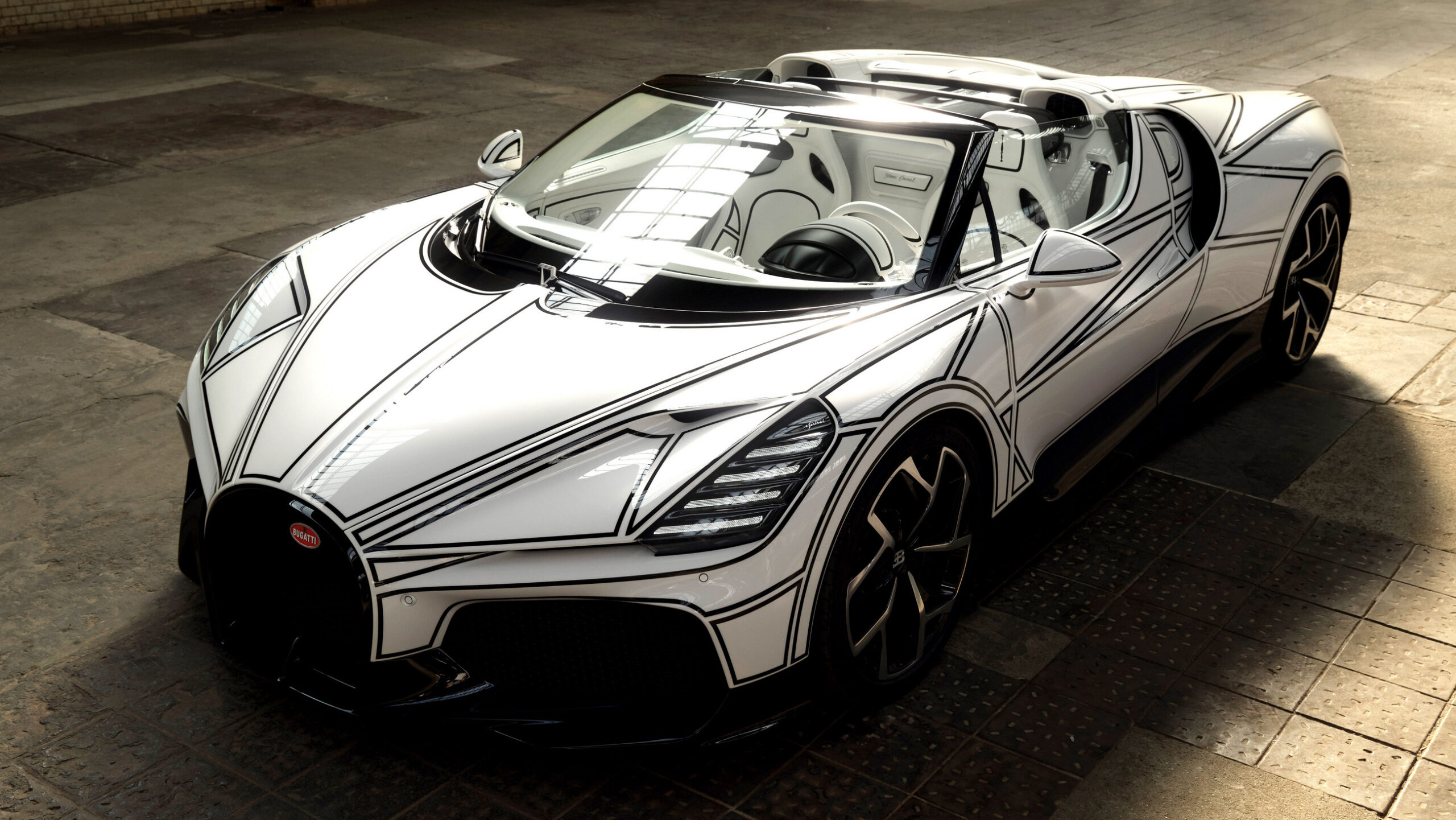
Blanc Éternel Hides Its Speed Behind a Gas Cap
Bugatti built a 261-mph roadster and made sure you'd notice the porcelain first.
From the other desks.

Gold Leaf on a Lacquer Dial, and the Weight of What That Costs
Awake's Frosted Leaf Royal Blue asks a question Vietnamese craft has never quite had to answer at this price.

ESPN Named Him. Then Unnamed Him. Nobody's Explaining the Gap.
A retraction without a reckoning is just a deleted link.

Hide My Email Has Been Showing Your Email
Apple's privacy flagship has a hole in it. They've known for over a year.