Mazda Didn't Flinch. It Just Never Overreached.
While Ford and GM bled billions learning that EV ambition and EV readiness aren't the same thing, Mazda quietly held its line.
Photo · Carscoops
There's a version of patience that looks like cowardice. And then there's the version that looks like a balance sheet.
Mazda delayed its dedicated EV platform by two years. That's the headline. But the more interesting number — the one Carscoops leaned into — is the loss Mazda absorbed on that delay: zero dollars. Not a rounding error. Not a manageable write-down. Zero, against a backdrop of Ford and GM collectively losing billions navigating their own EV reversals.
That's not a footnote. That's a philosophy.
The Delay That Wasn't Much of One
InsideEVs made the sharper observation: Mazda's so-called pivot is barely a pivot at all, because Mazda had barely started on the hard part. There was no massive factory retooling to unwind. No fleet of unsold EVs sitting on lots. No public promises made at splashy investor days that now require quiet burial. The delay revealed something more uncomfortable than a strategy change — it revealed that the strategy hadn't yet become infrastructure. The commitment was still mostly theoretical, and adjusting a theory costs nothing.
What Mazda is doubling down on instead is hybrids. Specifically, the technology buyers are actually buying right now, today, in the real world where charging infrastructure is uneven and range anxiety is still a genuine friction point for most households. This isn't a romantic stand against electrification. It's a read of the room.
What Ford and GM Paid to Learn
The contrast is the story. Ford and GM made the bet early, made it loudly, and built real hardware around timelines that the market wasn't ready to honor. The losses were real — not just financial but reputational, the kind that come from telling customers and shareholders a story and then having to walk it back in public. You can recover from a quiet delay. Recovering from a billion-dollar pivot requires a different kind of storytelling.
Mazda didn't have that problem because Mazda didn't make that bet. Whether that's wisdom or simply a smaller company's limited capacity for risk-taking is a fair question. But the outcome is the same either way: they're not underwater, and they're selling vehicles people want to drive home today.
The hybrid focus isn't a consolation prize. It's a recognition that the EV transition has always been a timeline problem dressed up as a technology problem. The technology exists. The grid, the charging network, the consumer comfort — those are still catching up. Mazda read that gap and decided not to sprint toward a finish line that keeps moving.
There's something almost stubbornly analog about the whole posture. In an industry that spent years rewarding whoever could announce the most ambitious electrification target, Mazda essentially said: we'll go when the road is ready. That kind of restraint doesn't generate headlines. It generates solvency.
The smartest move in a gold rush is sometimes just not buying a pickaxe on credit.
Keep reading cars.

800 Horsepower, One Ton of Doubt
Lamborghini built the most powerful SUV it's ever made. It's also slower than what it replaced.

£11,990 Draws a Line Under Every Excuse You Had Left
Dacia just made the cheapest new car in Britain electric — and that's not a footnote, it's a verdict.
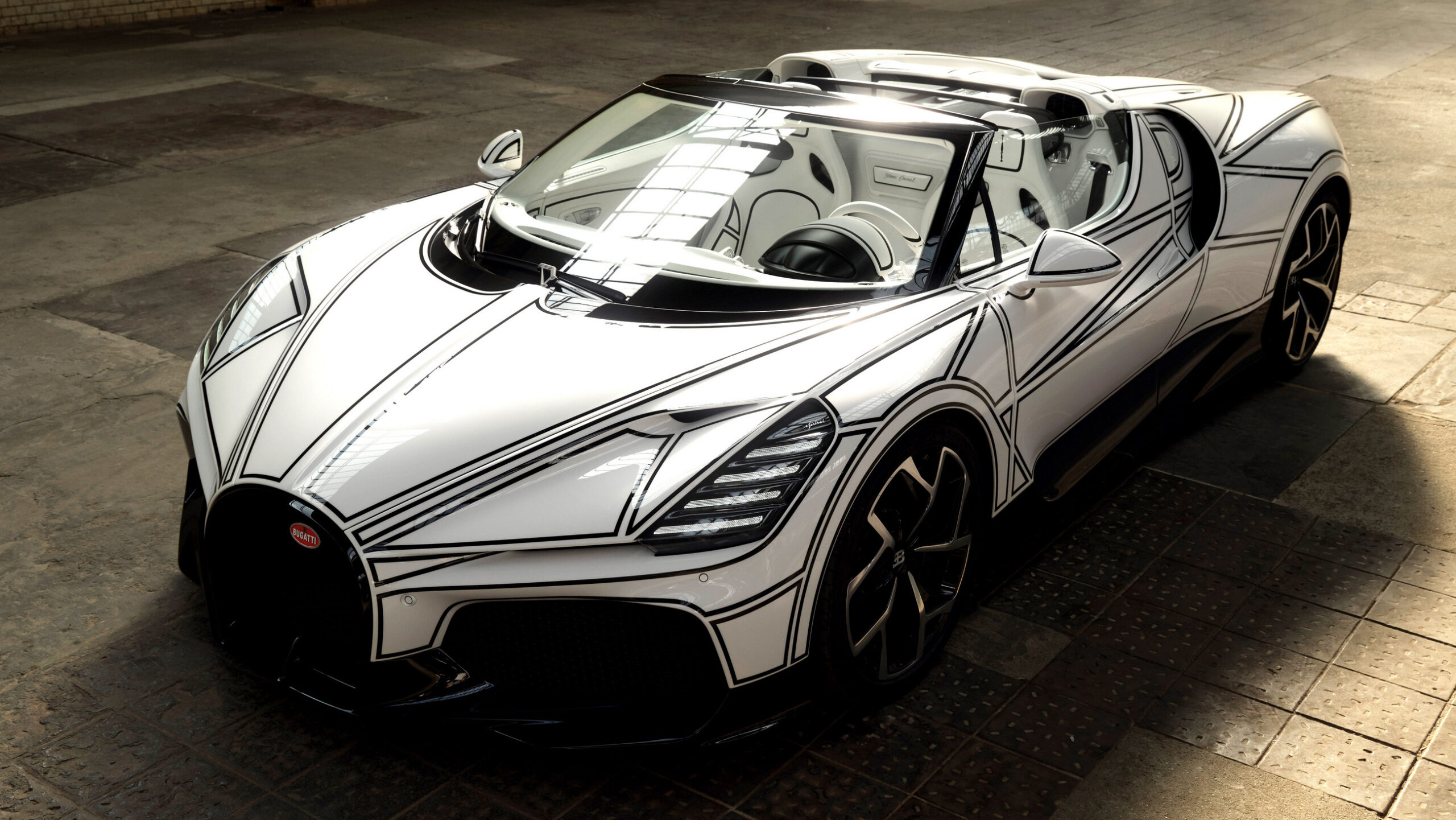
Blanc Éternel Hides Its Speed Behind a Gas Cap
Bugatti built a 261-mph roadster and made sure you'd notice the porcelain first.
From the other desks.

Gold Leaf on a Lacquer Dial, and the Weight of What That Costs
Awake's Frosted Leaf Royal Blue asks a question Vietnamese craft has never quite had to answer at this price.

ESPN Named Him. Then Unnamed Him. Nobody's Explaining the Gap.
A retraction without a reckoning is just a deleted link.

Hide My Email Has Been Showing Your Email
Apple's privacy flagship has a hole in it. They've known for over a year.