China Didn't Debate the ICE Era. It Closed a Tab.
Gas car sales fell 37% in a single month in the world's biggest auto market. The West is still scheduling the conversation.

Photo · Electrek
Nine out of ten.
That's how many of China's top-selling vehicles last month were plug-ins. One car — one — on that entire list still runs exclusively on gasoline. Not a trend. Not a projection from a consulting deck. A market verdict, rendered in April, in the world's largest auto market, where gas car sales dropped 37% year-over-year in a single month.
Think about what 37% means in physical terms. Dealership floors that used to move sedans and crosshatches on ICE drivetrains sitting quieter. Factory lines recalibrating. Supply chains for exhaust components, fuel injectors, transmission assemblies — all of them watching a number that doesn't reverse easily. Markets don't usually move like this. They inch. They stall. They respond to incentives over years. A 37% collapse in twelve months isn't a trend bending — it's a branch snapping.
The Global Picture Isn't Waiting Either
Zoom out and the momentum is harder to dismiss. Global EV sales hit 1.6 million units in April 2026 alone, according to data from Benchmark Mineral Intelligence. That brings the year-to-date total to 5.6 million units. Europe, meanwhile, drove global EV growth that same month even as China's exports surged outward — the two dynamics feeding each other, compounding. These aren't isolated markets doing isolated things. This is a system reorienting.
And yet the Western policy conversation about internal combustion still reads like a faculty debate about whether to update the syllabus. Timelines get proposed, then softened, then walked back. Automakers hedge. Lobbyists file briefs. Meanwhile, Chinese consumers — not mandated, not nudged by a tax credit that expires in six months — chose plug-ins nine times out of ten when they walked onto a lot last April.
That's the part that deserves to sit with you for a second. Consumer preference, expressed at scale, in a market of that size, with that kind of speed.
What the Numbers Don't Say
The coverage from Electrek frames this clearly as an inflection — the ICE age, in their words, is over. I'm not interested in relitigating that framing. What strikes me is something adjacent: the West keeps treating the end of the combustion era as a future event to be managed, when China has apparently experienced it as something that already happened and moved on.
There's a particular kind of institutional blindness that comes from assuming your own timeline is the universal one. Detroit and Stuttgart and their respective governments are still negotiating the terms of a transition that one of the world's most consequential consumer markets has, functionally, already made. The debate continues in conference rooms. The receipts are being printed in Shanghai.
None of this means the internal combustion engine vanishes overnight in markets where infrastructure is thin or incomes are constrained. That's real, and it matters. But the story in China isn't about infrastructure anymore — it's about preference. People wanted the electric car more. They bought the electric car more. By a ratio of nine to one.
The engine that defined a century of personal transportation didn't lose a policy argument. It lost a sales quarter.
And the quarter doesn't care what you think the timeline should be.
Keep reading cars.

800 Horsepower, One Ton of Doubt
Lamborghini built the most powerful SUV it's ever made. It's also slower than what it replaced.

£11,990 Draws a Line Under Every Excuse You Had Left
Dacia just made the cheapest new car in Britain electric — and that's not a footnote, it's a verdict.
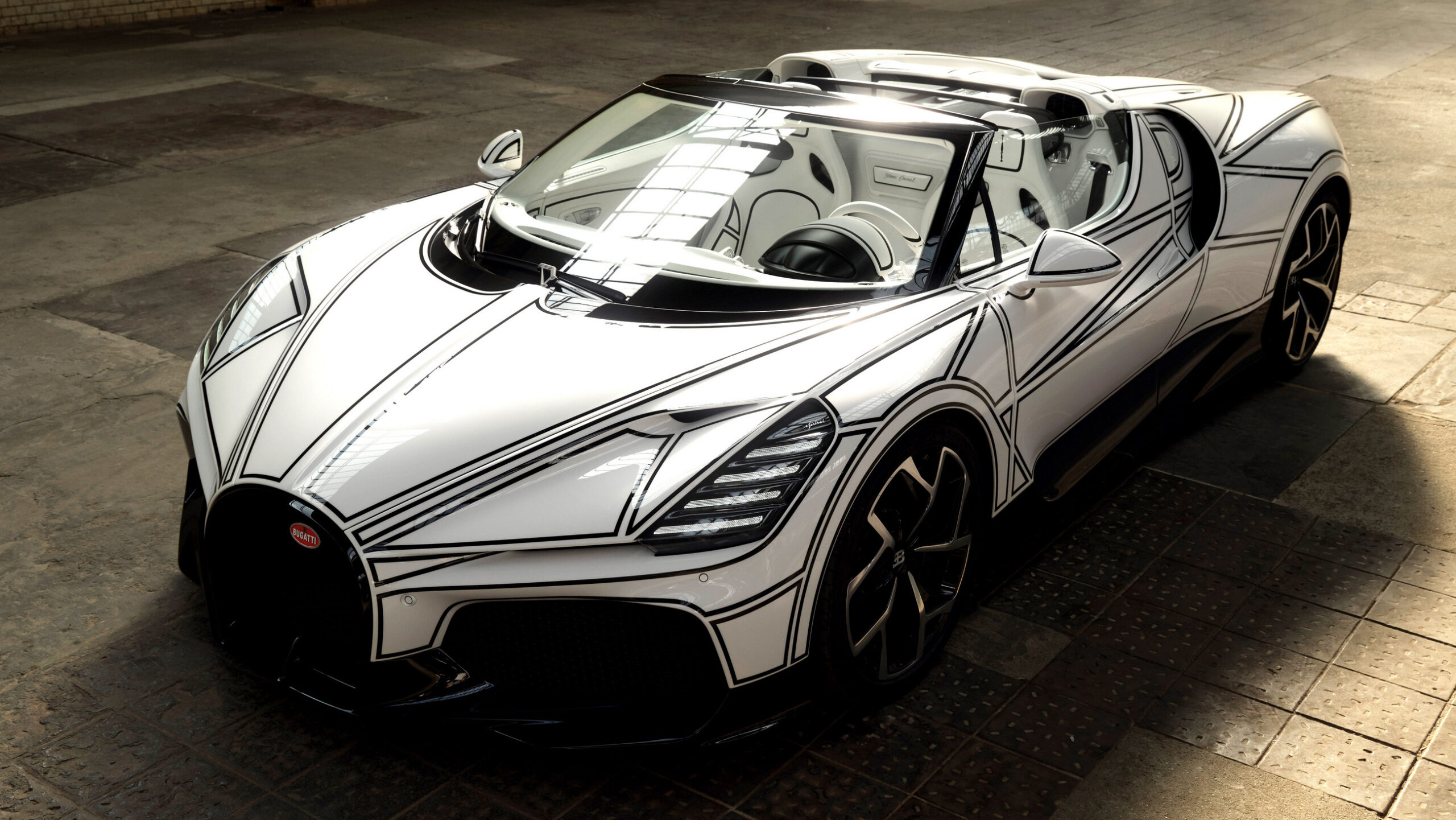
Blanc Éternel Hides Its Speed Behind a Gas Cap
Bugatti built a 261-mph roadster and made sure you'd notice the porcelain first.
From the other desks.

Gold Leaf on a Lacquer Dial, and the Weight of What That Costs
Awake's Frosted Leaf Royal Blue asks a question Vietnamese craft has never quite had to answer at this price.

ESPN Named Him. Then Unnamed Him. Nobody's Explaining the Gap.
A retraction without a reckoning is just a deleted link.

Hide My Email Has Been Showing Your Email
Apple's privacy flagship has a hole in it. They've known for over a year.