Mercedes Wants Its $175K SUV Back
When the wheels might fall off, 'very unlikely' isn't the reassurance you think it is.
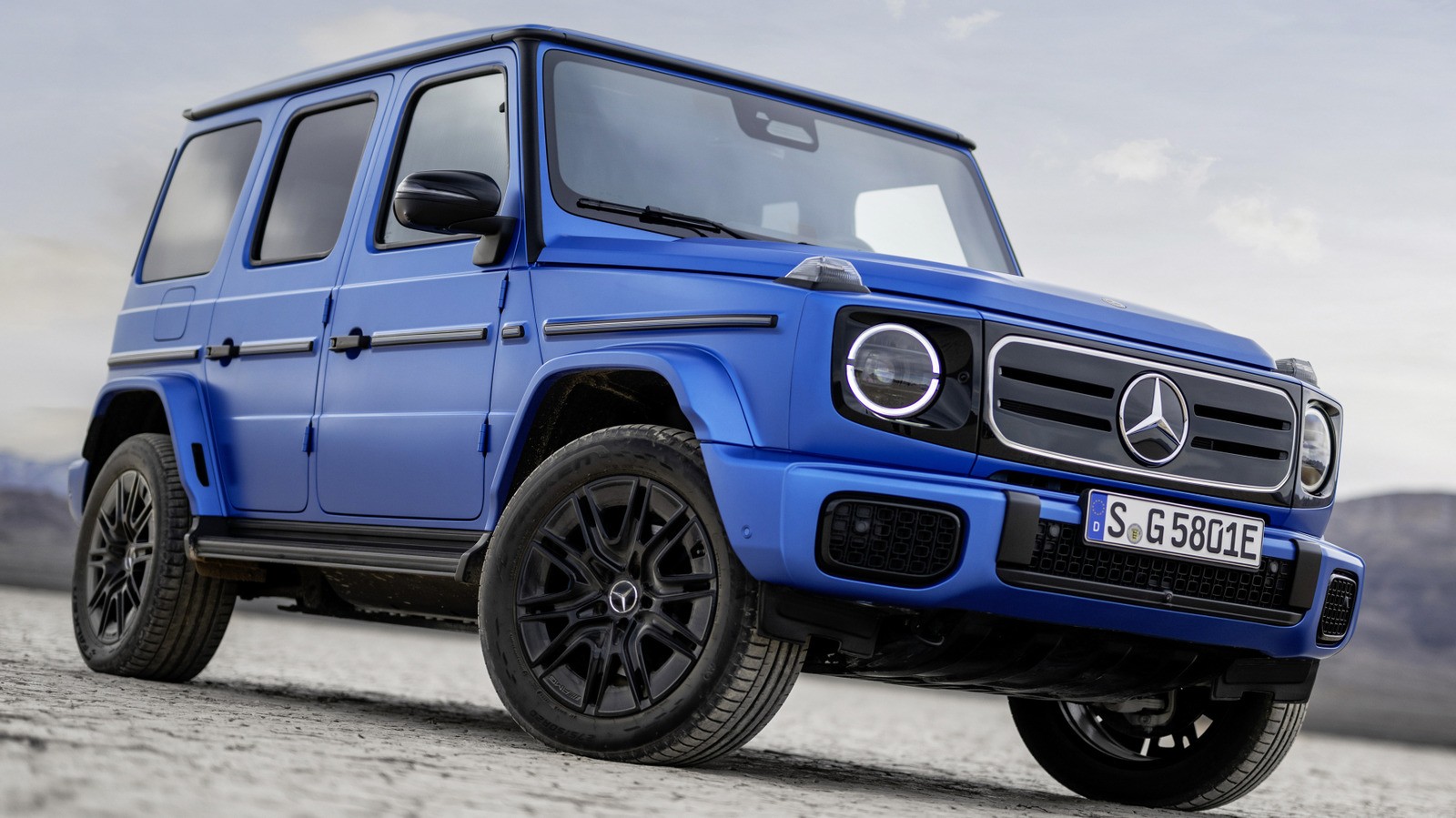
You paid $175,000. You did not pay for a beta test.
Mercedes is recalling its most hyped electric SUV because the wheels — the round things keeping the car connected to the road — may not stay attached. They caught it during durability testing, which is good. They're calling it very unlikely to happen in real-world driving, which is the kind of sentence that sounds better in a press release than it does in your driveway.
The vehicle in question is the G 580 with EQ Technology — the electric G-Wagen, for people who wanted the icon but wanted it silent. It launched to the kind of coverage that money can't buy and hype usually can't sustain. The waiting list was real. The anticipation was real. The price — starting well north of $160K, optioned into the $175K range without trying — was very real.
The Engineering Defense
The engineering defense here is legitimate. Finding a flaw in durability testing before widespread failure is exactly how this is supposed to work. The system caught something. Nobody got hurt. Mercedes moved quickly. Credit where it's due, and this is worth saying plainly: a recall issued proactively is better than the alternative.
But that's the floor, not the ceiling. That's the minimum expectation, not a reason to feel good about the situation.
The specific failure mode matters here. This isn't a software glitch that gets patched overnight. It's a wheel attachment issue — a mechanical problem with a part that has one job. When that part fails at its one job, the consequences aren't abstract. They're immediate and physical. "Very unlikely" is doing a lot of work in that context.
What $175K Is Actually Buying
At this price point, you're not just buying a vehicle. You're buying the implicit promise that the engineering was finished before it left the factory. You're buying the confidence that the durability testing happened before the car reached you, not alongside you.
That's the transaction. That's what separates a flagship from everything else on the lot.
Other manufacturers have stumbled here too — early EV launches across the industry have had their share of software recalls, battery issues, and over-the-air fixes that quietly addressed problems buyers didn't know they had. But there's something different about a mechanical recall on a car this new, this expensive, and this visible. The G-Wagen carries decades of reputation. The electric version was supposed to carry it forward. A wheel retention issue in the first model year doesn't erase that legacy, but it does complicate the story.
The customer experience is still this: you bought the flagship, you paid the number, and now you're scheduling a service appointment because the assembly didn't hold up to scrutiny before the car reached you. That's not a minor inconvenience. That's a trust problem with a six-figure price tag attached.
The people who bought early always absorb the most risk. They know this. But they bought a Mercedes G-Wagen, not a Kickstarter project.
Quality control at this level shouldn't leave open questions for owners to absorb. That's what the testing was supposed to be for.
Keep reading cars.

800 Horsepower, One Ton of Doubt
Lamborghini built the most powerful SUV it's ever made. It's also slower than what it replaced.

£11,990 Draws a Line Under Every Excuse You Had Left
Dacia just made the cheapest new car in Britain electric — and that's not a footnote, it's a verdict.
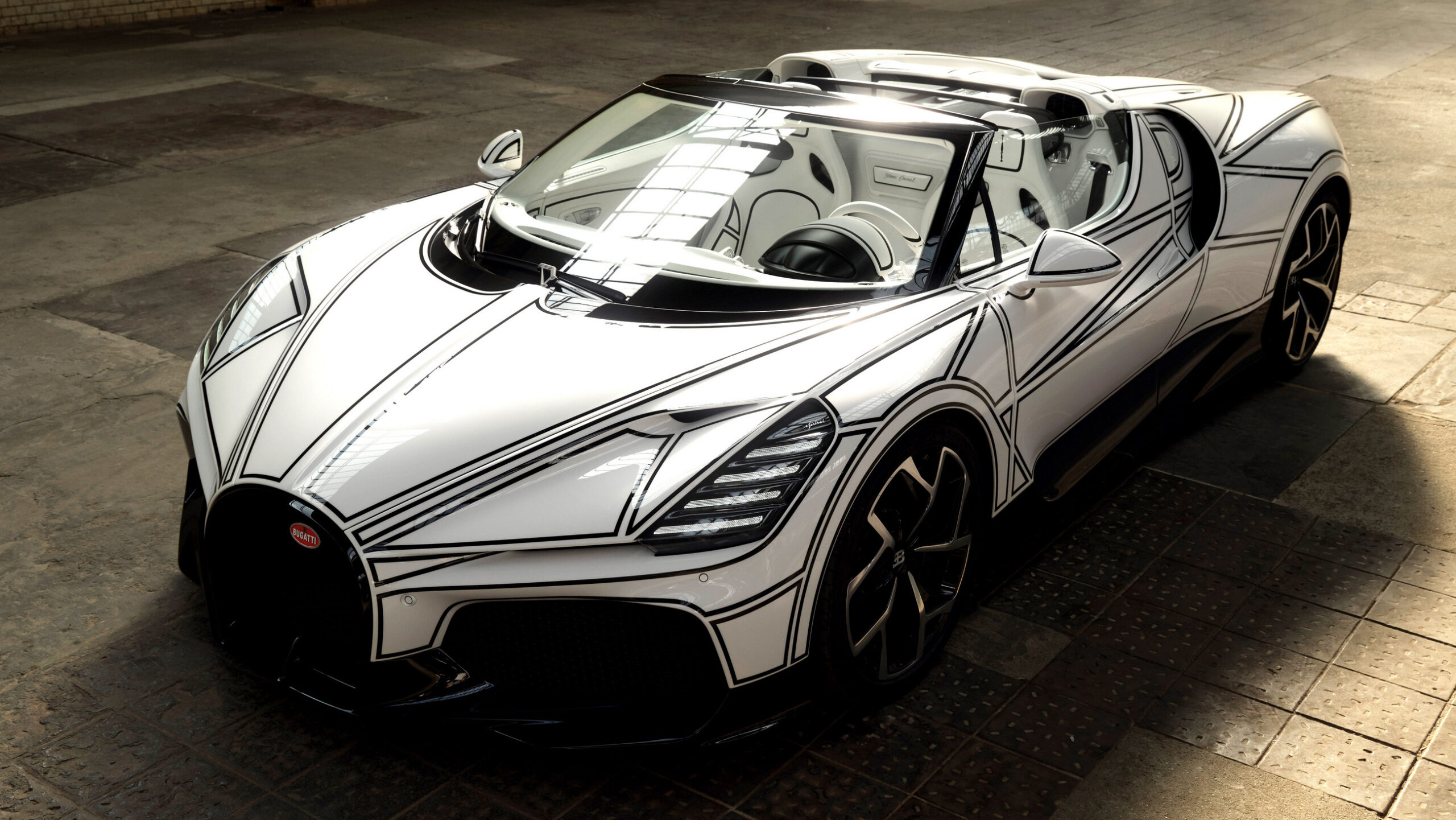
Blanc Éternel Hides Its Speed Behind a Gas Cap
Bugatti built a 261-mph roadster and made sure you'd notice the porcelain first.
From the other desks.

Gold Leaf on a Lacquer Dial, and the Weight of What That Costs
Awake's Frosted Leaf Royal Blue asks a question Vietnamese craft has never quite had to answer at this price.

ESPN Named Him. Then Unnamed Him. Nobody's Explaining the Gap.
A retraction without a reckoning is just a deleted link.

Hide My Email Has Been Showing Your Email
Apple's privacy flagship has a hole in it. They've known for over a year.