The Electric Bill You Didn't See Coming
EVs were supposed to end the relationship with your mechanic — instead they just changed the invoice.
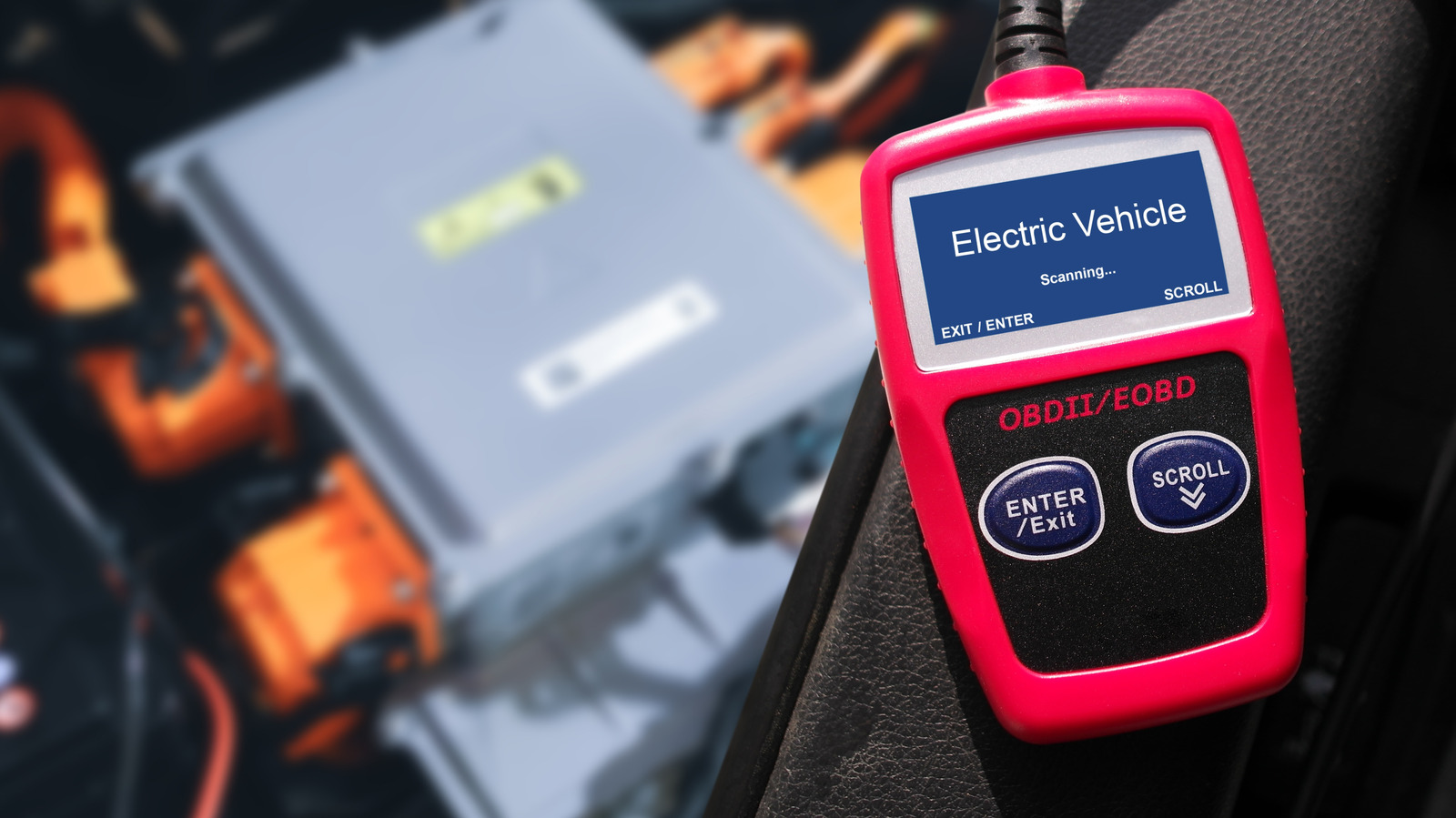
Fewer moving parts was supposed to mean fewer problems. That logic isn't wrong, exactly. It's just incomplete.
The combustion engine is gone. So are the oil changes, the timing belts, the spark plugs. Real savings. Real simplicity. Nobody's arguing that. Over a typical ownership cycle, EV drivers genuinely do spend less on routine maintenance. The data holds. The pitch wasn't a lie.
It was just a partial truth dressed up as the whole story.
What the Brochure Skipped
The battery pack sitting under your floor is a $15,000 component with a degradation curve and a sensitivity to temperature that your old 2.0-liter never had. Heat kills it slowly. Fast charging degrades it faster. And unlike an engine that gives you years of noisy warnings before it goes, a battery pack tends to be fine until it isn't — and then the number on the replacement quote makes you need a moment.
The software stack running your drivetrain gets updates pushed overnight that occasionally break things that weren't broken. Not hypothetically. It's happened. Owners have woken up to reduced range, disabled features, or charging behavior that changed without their input. A car that can be updated remotely is also a car that can be misconfigured remotely. That's a new category of problem that has no equivalent in the combustion world.
The thermal management system — the thing keeping that battery alive and operating in range — has its own pumps, its own coolant loops, its own sensors and failure modes. It's not simple. It's a secondary mechanical system that exists entirely to protect the primary electrical one. When it goes wrong, you're not calling your corner shop.
The Shop Problem
The technicians who actually understand these systems are still rare. Not because EVs are new anymore — they're not — but because the training pipeline is slow and the tools are expensive. A proper EV diagnostic setup costs multiples of what a combustion shop already has. Independent mechanics who've invested in it are out there, but you'll drive to find them.
Parts lead times are longer. Supply chains for high-voltage components don't have the same depth as the market for brake pads and filters that's been building for a century. One failed module in a thermal management system can mean weeks of waiting, not days.
And outside the warranty window, all of this lands on you. The warranty is good — most manufacturers are covering batteries for eight years or a hundred thousand miles — but the clock is running. Buy used, buy late in that window, and you're buying exposure.
Simpler in some ways. Not simpler in all ways. The failure modes didn't disappear. They migrated.
Nobody lied to you about EVs. The pitch was just narrower than it sounded. Less maintenance on the powertrain — that part's true, and it matters. What they didn't put in the brochure was everything else that got more complicated to compensate: the battery economics, the software dependency, the specialist labor, the parts availability.
Buy one with your eyes open and it's still a good deal. Buy one because you thought the bills were over, and you're about to have a very educational conversation with a very specialized shop.
The car changed. The homework didn't.
Keep reading cars.

800 Horsepower, One Ton of Doubt
Lamborghini built the most powerful SUV it's ever made. It's also slower than what it replaced.

£11,990 Draws a Line Under Every Excuse You Had Left
Dacia just made the cheapest new car in Britain electric — and that's not a footnote, it's a verdict.

Blanc Éternel Hides Its Speed Behind a Gas Cap
Bugatti built a 261-mph roadster and made sure you'd notice the porcelain first.
From the other desks.

Gold Leaf on a Lacquer Dial, and the Weight of What That Costs
Awake's Frosted Leaf Royal Blue asks a question Vietnamese craft has never quite had to answer at this price.

ESPN Named Him. Then Unnamed Him. Nobody's Explaining the Gap.
A retraction without a reckoning is just a deleted link.

Hide My Email Has Been Showing Your Email
Apple's privacy flagship has a hole in it. They've known for over a year.