The System Doesn't Know What Your Car Means to You
When the state takes your vehicle, it doesn't see what you see — and that gap will cost you everything if you're not ready.
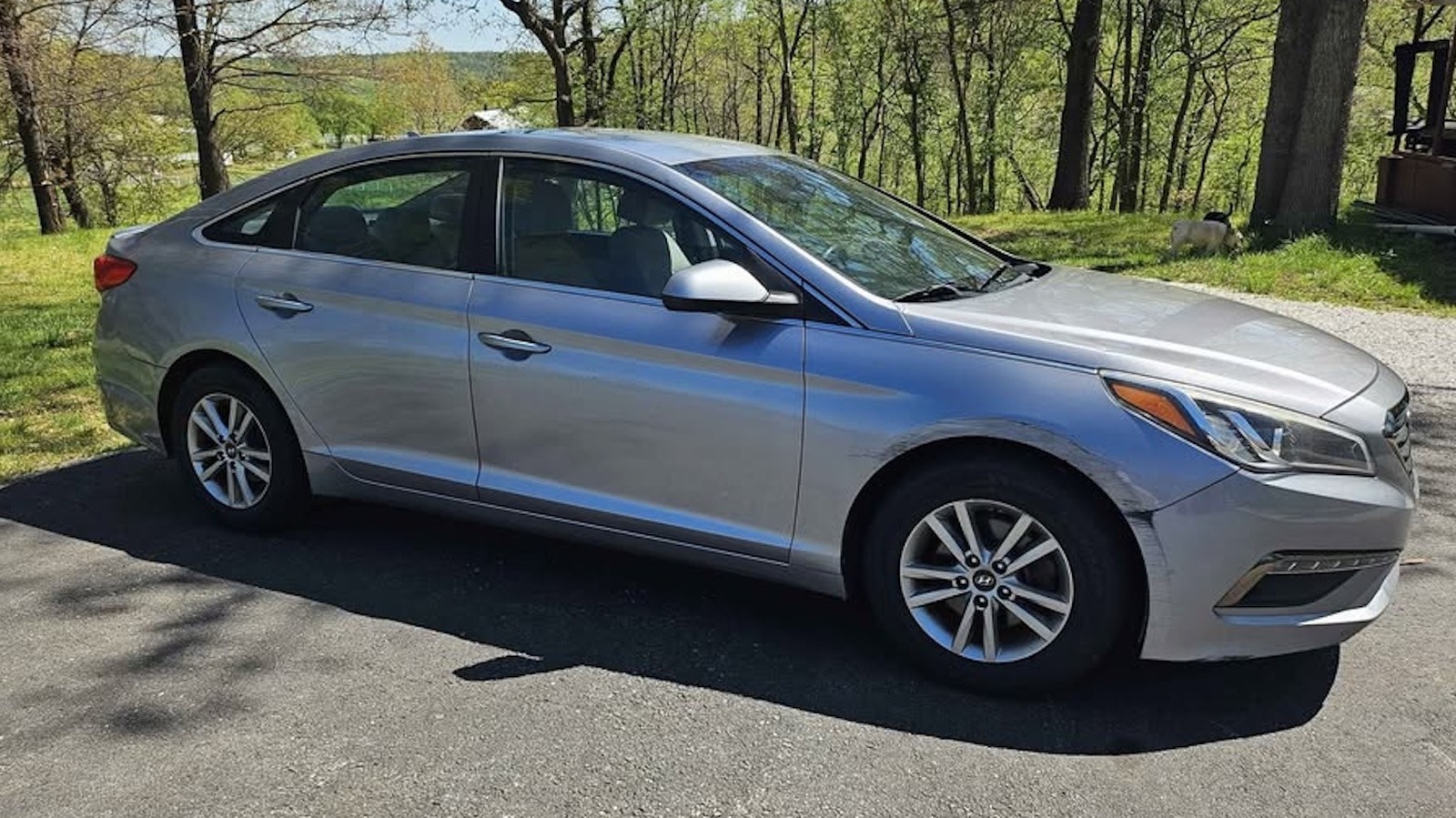
Your car is not a line item. It's the 6am commute you've done a thousand times, the road trip that fixed something between you and someone, the machine you actually understand. To the system that can seize it, impound it, and auction it off before you've finished filing paperwork — it's a unit.
That's the gap nobody warns you about.
Sentiment has no standing once a vehicle enters the impound-to-auction pipeline. You don't get credit for the work you put into it, the miles you've logged, or the fact that you know exactly what that rattle at 2,800 RPM means. You get a lot number and a bidding window — competing against strangers, dealers, and flippers who have no attachment and therefore no ceiling on cold logic. They are not emotionally compromised. You are. That asymmetry matters.
The Pipeline Moves Faster Than You Think
Most people imagine there's time. A notice arrives. A window opens. You make some calls. The reality is that storage fees accrue daily — sometimes $50, sometimes $150, depending on the yard and the municipality — and in several states, a vehicle can be legally auctioned within 30 days of impound if the owner fails to respond to a notice sent to an address that may not be current. The car doesn't wait for you to get organized.
The distinction between a hold and a lien matters enormously here. A hold means the vehicle is being detained — you can usually get it back by resolving whatever triggered the stop. A lien means the yard has a legal financial claim against it. Once a lien attaches, you're not just getting your car back. You're buying it back. Different process, different urgency, different cost. Most people learn this distinction at the worst possible moment.
Forfeiture is the far end of the spectrum, and it's the one that truly doesn't care about your feelings. Civil asset forfeiture laws in many states allow a vehicle to be permanently seized on the basis of suspected involvement in a crime — not a conviction, not even a charge. The burden of proof to reclaim it falls on you. The legal fees to fight it can exceed the car's market value. The system is not broken. It works exactly as designed. It just wasn't designed with you in mind.
Protect It Like You Maintain It
This isn't paranoia. It's the same energy you already put into the car itself. You changed the oil on schedule. You kept the registration current. You knew when the tires needed replacing before they told you. Extend that attention to the legal exposure too.
Know your local impound laws before you need them. Most are public record and take twenty minutes to find. Know what triggers a hold versus a lien in your jurisdiction. Know the name and direct number of your local impound authority — not the general city line, the actual yard. Know whether your state requires certified mail notification before auction, and whether a gap in your address history could cause you to miss it.
If you drive something with real value to you — financially, mechanically, personally — document it. Photos, receipts, records of modifications. Not for insurance. For the moment you have to stand in front of someone and argue that this vehicle is worth more than the system's estimate of it. That argument goes better with evidence.
The people who get their cars back are the ones who moved fast, knew the rules, and showed up. The people who don't are the ones who assumed the process would be fair because they hadn't done anything wrong.
Fairness isn't load-bearing in a tow yard.
Keep reading cars.

800 Horsepower, One Ton of Doubt
Lamborghini built the most powerful SUV it's ever made. It's also slower than what it replaced.

£11,990 Draws a Line Under Every Excuse You Had Left
Dacia just made the cheapest new car in Britain electric — and that's not a footnote, it's a verdict.

Blanc Éternel Hides Its Speed Behind a Gas Cap
Bugatti built a 261-mph roadster and made sure you'd notice the porcelain first.
From the other desks.

Gold Leaf on a Lacquer Dial, and the Weight of What That Costs
Awake's Frosted Leaf Royal Blue asks a question Vietnamese craft has never quite had to answer at this price.

ESPN Named Him. Then Unnamed Him. Nobody's Explaining the Gap.
A retraction without a reckoning is just a deleted link.

Hide My Email Has Been Showing Your Email
Apple's privacy flagship has a hole in it. They've known for over a year.