Your Car Is Watching You Walk
GM just patented a system that decides if you're too drunk to drive — and the line between safety net and surveillance is thinner than a lane marking.
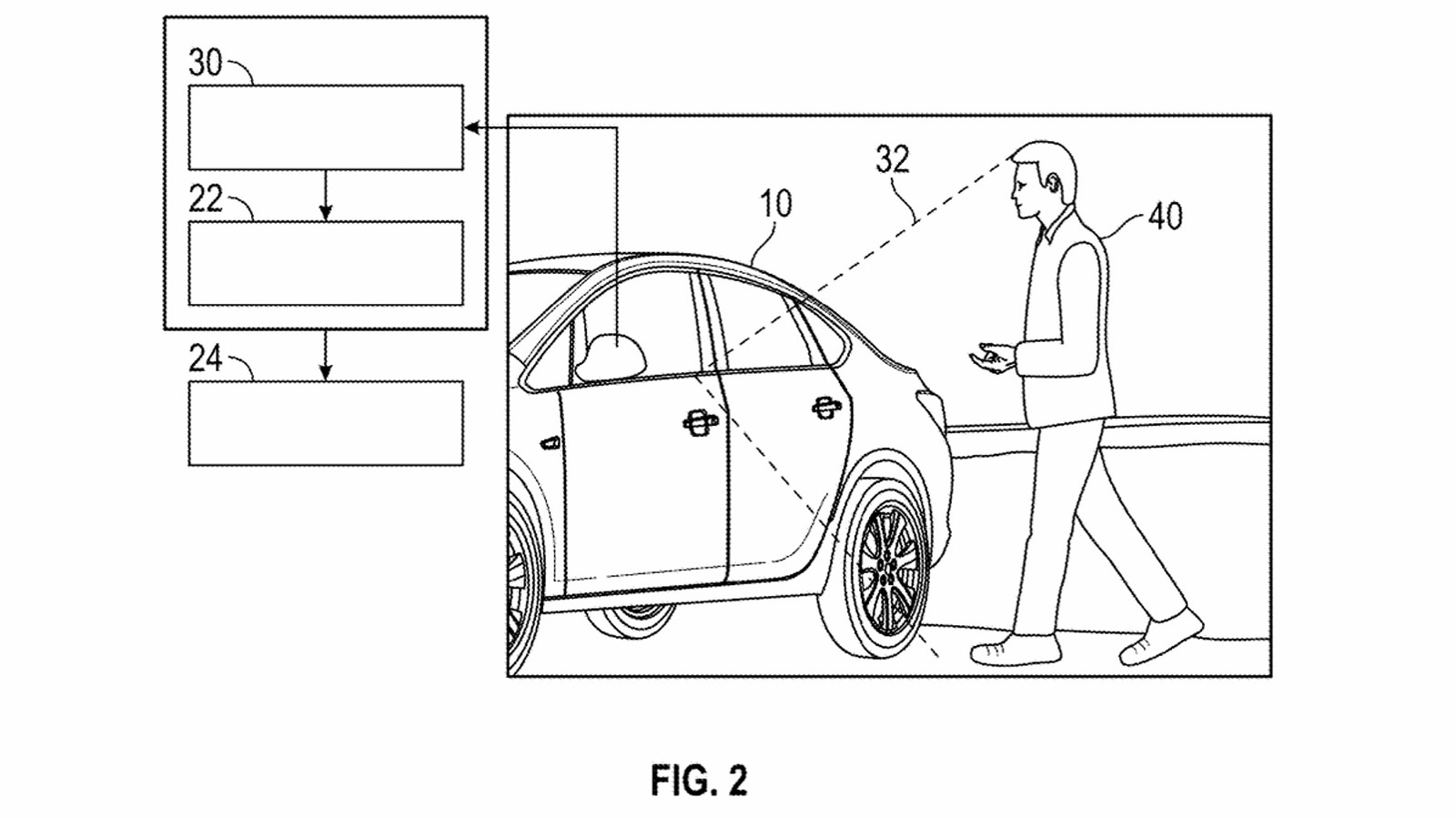
GM filed a patent for a system that reads how you walk toward your car. Stride length. Sway. Pace. Cameras and sensors building a case before you even touch the door handle.
The intent is clean: stop impaired drivers before they start. Hard to argue with the goal when the alternative is a headline nobody wants to be in. Drunk driving kills roughly 13,000 people a year in the US alone. If a camera in a parking lot prevents even a fraction of that, the math looks obvious.
But the math is never just the math.
What the System Actually Sees
That same gait-reading system doesn't just see drunk. It sees everything. A long day. A bad knee. Rain-soaked shoes on a slick parking lot. It sees you rushing because it's cold. It sees you shuffling because you're exhausted after a double shift. It sees the way you walk when you've just gotten bad news and your body hasn't caught up with your mind yet.
None of those things make you dangerous. All of them look like data.
And data, once collected, doesn't stay in one place with one purpose. It gets stored. It gets analyzed. It gets shared with insurers who would very much like to know how you move at 11pm on a Saturday. It gets subpoenaed. It gets breached. The car that was trying to protect you becomes the most detailed behavioral log you've ever unknowingly kept.
GM isn't alone in this direction. The whole industry is drifting toward vehicles that monitor, assess, and intervene. Ford has filed patents for repossession systems that could remotely disable your car if you miss a payment. Subaru and GM already offer in-cabin cameras that watch driver alertness in real time. The new wave of driver monitoring systems uses infrared sensors to track eye movement, head position, and hand placement continuously.
Sometimes that's genuinely useful. Lane assist works. Automatic emergency braking has saved lives that statistics will never be able to name. Those systems respond to what's happening in the moment — a drifting wheel, a closing gap.
This Is Something Else
This feels categorically different. This is the car forming an opinion about you before you've done anything. Before you've sat down. Before you've started the engine. Before you've made a single decision.
There's a word for a system that watches how you move, builds a profile from it, and uses that profile to decide what you're allowed to do. We don't usually call it a safety feature.
The counterargument writes itself: if you're not impaired, you have nothing to worry about. But that logic has never held up anywhere it's been applied, and it doesn't hold up here. The issue isn't whether the system flags you correctly tonight. It's what happens to the footage of every night it didn't.
Patents don't always become products. The gap between a filed idea and a production vehicle is wide, and plenty of concepts die quietly in legal archives. But a patent isn't just a product roadmap — it's a declaration of intent. Someone at GM thought this was worth the paperwork. Worth the engineering hours. Worth putting on record.
The idea is already on the road. The only question left is who's driving it.
Keep reading cars.

800 Horsepower, One Ton of Doubt
Lamborghini built the most powerful SUV it's ever made. It's also slower than what it replaced.

£11,990 Draws a Line Under Every Excuse You Had Left
Dacia just made the cheapest new car in Britain electric — and that's not a footnote, it's a verdict.
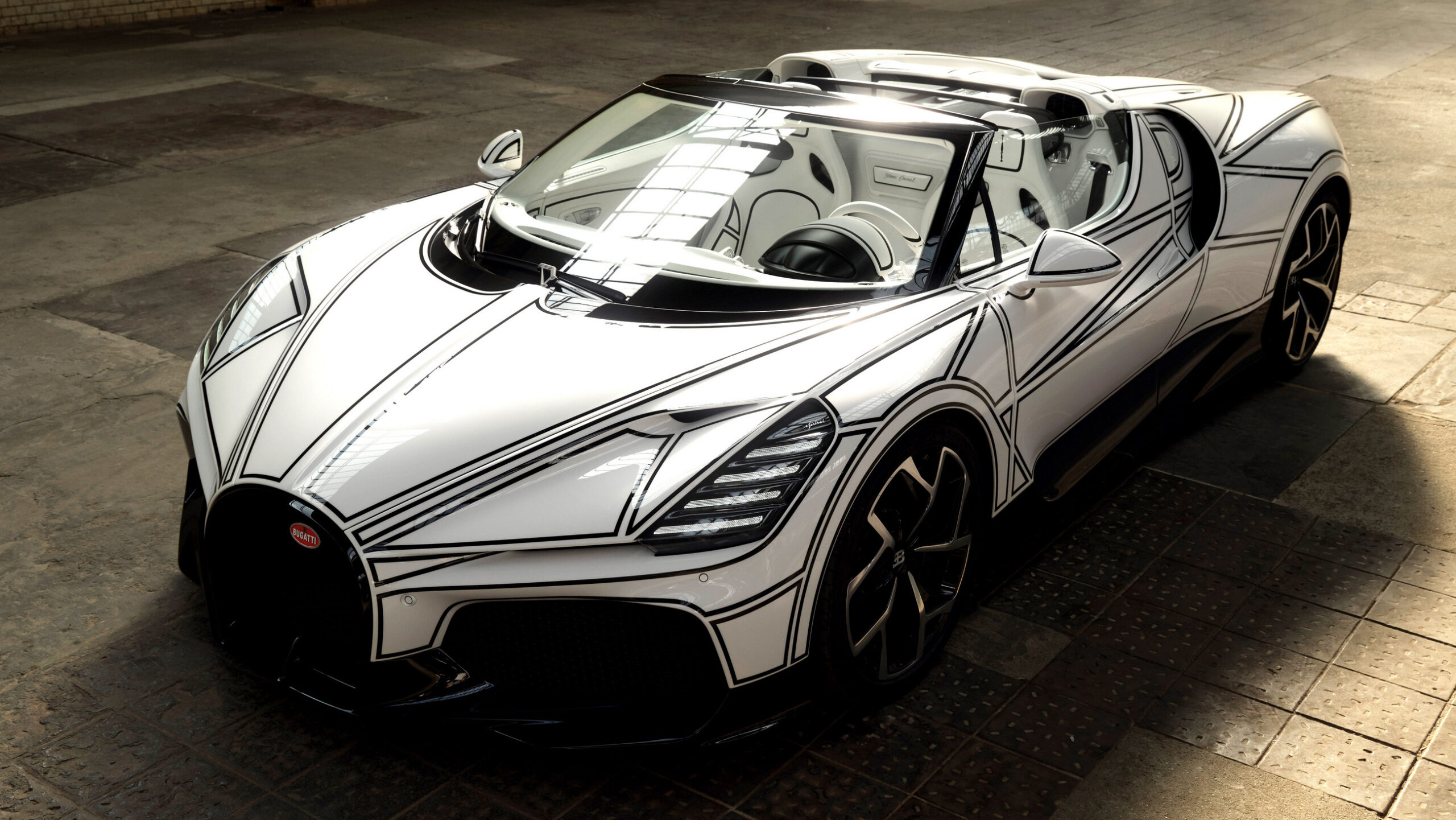
Blanc Éternel Hides Its Speed Behind a Gas Cap
Bugatti built a 261-mph roadster and made sure you'd notice the porcelain first.
From the other desks.

Gold Leaf on a Lacquer Dial, and the Weight of What That Costs
Awake's Frosted Leaf Royal Blue asks a question Vietnamese craft has never quite had to answer at this price.

ESPN Named Him. Then Unnamed Him. Nobody's Explaining the Gap.
A retraction without a reckoning is just a deleted link.

Hide My Email Has Been Showing Your Email
Apple's privacy flagship has a hole in it. They've known for over a year.