Sylvain Pinaud Isn't Catching Up Anymore
A 30-second tourbillon from one of watchmaking's most quietly serious independents signals something has shifted.

Photo · Monochrome Watches
There's a version of this story where the tourbillon is a status symbol — a complication that exists to justify a price tag, to signal membership in a very old, very expensive club. That story has been told so many times it's practically load-bearing infrastructure for the Swiss watch industry.
This isn't that story.
What He Built
Sylvain Pinaud launched his first piece, a monopusher chronograph, in 2018. His second, the Origine — a time-only watch — followed in 2021. Between those two releases and now, he collected recognition at the GPHG, watchmaking's most closely watched awards, and built a reputation among people who pay attention to how things are actually made. That's the foundation. Not marketing. Not heritage mythology. Just the work, accumulating quietly.
For Geneva Watch Week 2026, he unveiled the Tourbillon — a name so plain it functions almost as a dare. And the mechanism at its heart rotates once every 30 seconds, not the standard 60. That's not a minor technical footnote. A faster rotation means the tourbillon cage completes its correction cycle twice as often, which demands a level of engineering precision that compounds with every component involved. According to SJX Watches, the movement also runs twin mainspring barrels — a choice that speaks to power reserve management at a level of ambition that goes well beyond the gesture of adding a tourbillon to something.
Revolution Watch noted the addition of a zero-reset function, which means when the tourbillon is stopped — for setting or regulation — it snaps back to a defined position. It's a practical grace note, the kind of detail that reveals whether someone is building for performance or for appearance. Pinaud is clearly building for performance.
The Quiet Provocation
What strikes me, reading across the coverage, is what none of the sources say directly but all of them imply: this is a watchmaker who has moved past the phase of introduction. The Origine established his aesthetic and his seriousness. The Tourbillon, which SJX notes looks and feels like its predecessor despite containing a completely different movement, is the declaration that the aesthetic was never the point — it was always the engineering underneath it.
That restraint is its own statement. The case didn't need to change. The visual language didn't need to be louder. When you're confident enough in what's inside, you don't need the outside to shout.
The Swiss establishment has spent decades treating the tourbillon as a crown jewel — something to be gatekept, priced into the stratosphere, worn as proof of arrival. What Pinaud has done is treat it as a problem to be solved more elegantly than it's been solved before. A 30-second rotation. Twin barrels. Zero reset. These aren't flourishes. They're arguments.
The independents who earn lasting respect are rarely the ones who out-decorate the maisons. They're the ones who find a technical question the industry stopped asking and answer it better than anyone expected.
Pinaud just answered one.
Keep reading fashion.

Gold Leaf on a Lacquer Dial, and the Weight of What That Costs
Awake's Frosted Leaf Royal Blue asks a question Vietnamese craft has never quite had to answer at this price.

Kyle Smith Has a Job Title That Didn't Exist Before. That's the Whole Tell.
When the NFL hires a fashion editor, it's not about clothes — it's about who gets to decide what matters.
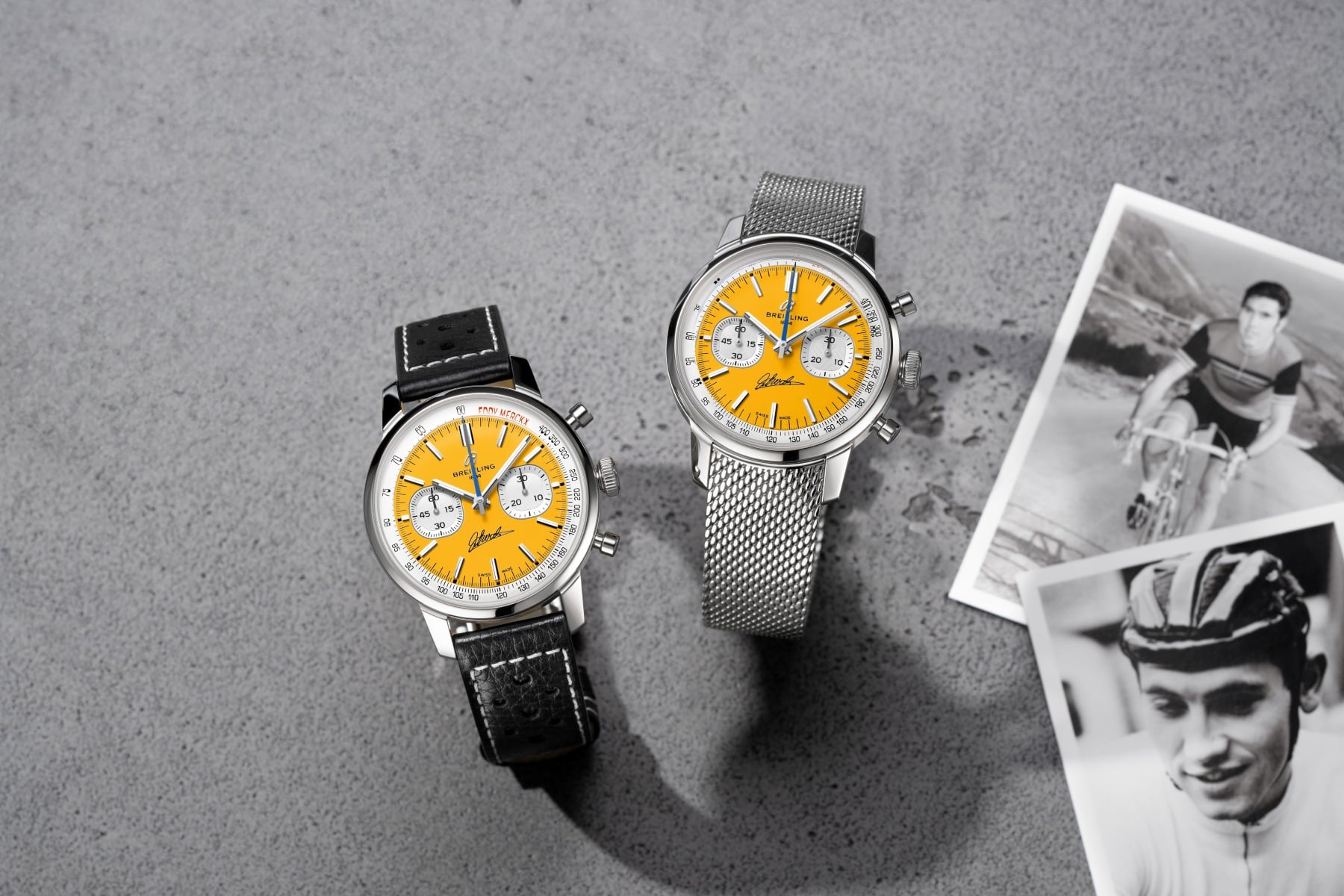
525 Victories, One Dial, and Cycling's Long Wait for a Wrist
Breitling's Eddy Merckx edition doesn't just reference a legend — it asks whether motorsport's younger sibling has finally earned its place in serious watch culture.
From the other desks.

800 Horsepower, One Ton of Doubt
Lamborghini built the most powerful SUV it's ever made. It's also slower than what it replaced.

ESPN Named Him. Then Unnamed Him. Nobody's Explaining the Gap.
A retraction without a reckoning is just a deleted link.

Hide My Email Has Been Showing Your Email
Apple's privacy flagship has a hole in it. They've known for over a year.