José Andrés Walked 500 Miles to Find a Bowl of Soup
A man who has fed 150 million people in a war zone went looking for something much smaller — and Outside Online was there to witness the search.
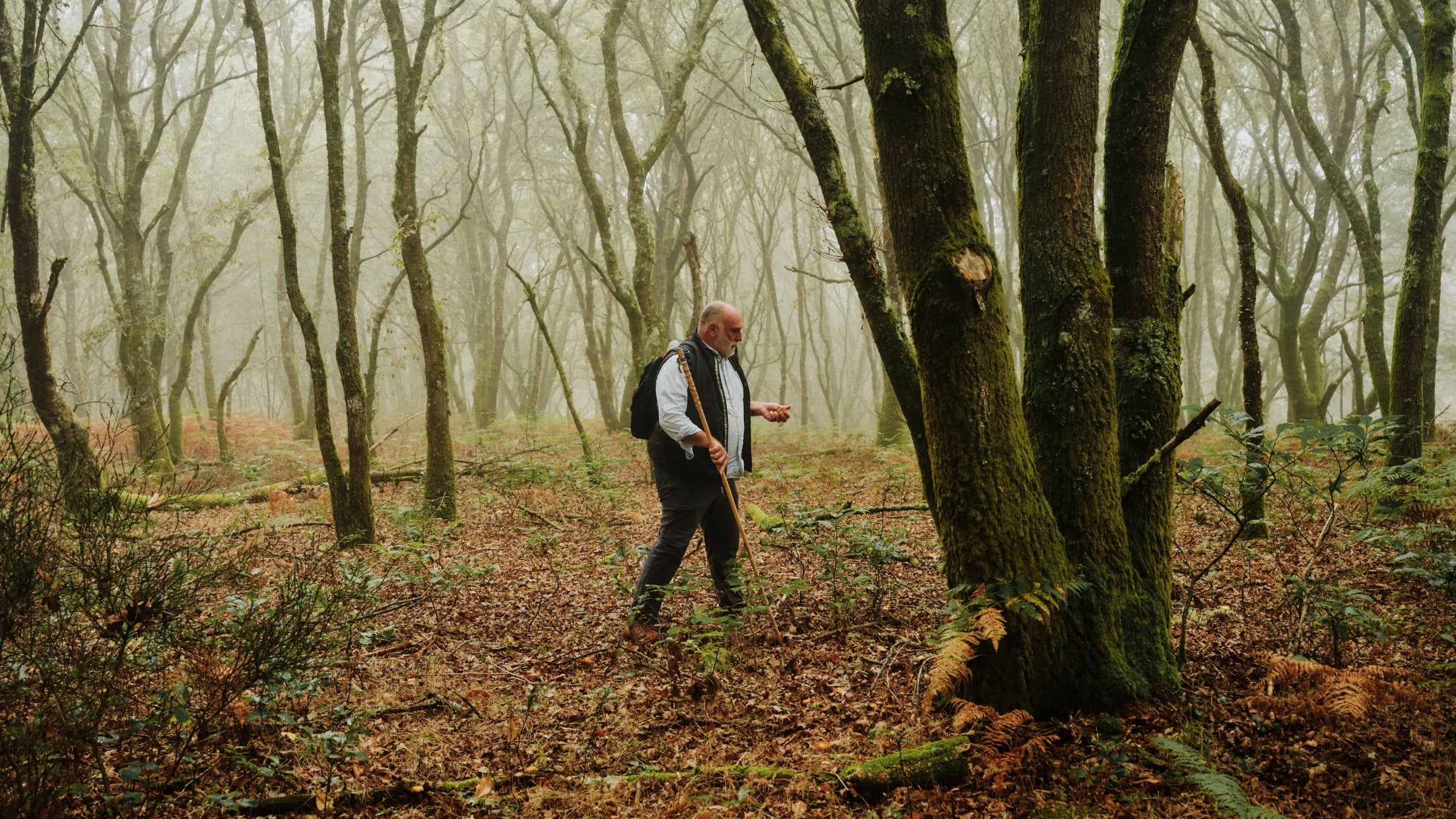
Photo · Outside Online
The Man Before the Medal
There's a version of this story that writes itself. Nobel Peace Prize nomination. A hundred and fifty million meals served in Gaza. A restaurant empire built on the logic that feeding people is a political act. José Andrés is, by almost any measure, one of the more consequential figures alive right now — a chef who decided the kitchen wasn't the limit of what a chef could do.
And then he went for a walk.
The piece Outside Online published is a first-person essay about Andrés hiking the Camino de Santiago with his wife, marking thirty years of marriage, looking for a perfect bowl of soup. It's a quiet piece about slowing down. It is also — and this is what interests me — a particular kind of cultural document. The fact that it exists, and exists now, says something worth sitting with.
What the Walk Reveals
The Camino de Santiago has been many things to many people across its long history as a pilgrimage route. It has a way of attracting a specific kind of pilgrim: the person who has done too much and needs the road to do the thinking for them. A writer at Outside Online found in Andrés exactly that archetype — a man whose scale of operation is almost incomprehensible, who chose to reduce himself to the most basic unit of forward motion. One foot. Then the other.
There's something almost pointed about the timing. The world Andrés operates in — the logistics of emergency food relief, the weight of a Nobel nomination, the noise of running a public life — is not a world that slows down voluntarily. You don't get to pause it. You walk away from it, if you walk away at all, because you decide to. That decision, made with his wife for an anniversary, is the real story underneath the essay. Not the soup. Not the blisters. The choice to become temporarily small.
What the piece gets right, almost without meaning to, is that the most interesting thing about José Andrés on the Camino isn't what he learns there. It's that he went. That a man capable of coordinating disaster relief at a scale most governments couldn't replicate chose to mark thirty years of marriage by walking somewhere slowly and looking for something warm to eat. That's not irony. That's proportion. That's someone who actually understands what matters and keeps recalibrating toward it.
The essay as a form has a specific gravity — it pulls the writer toward wisdom, toward the earned observation, toward the moment where the physical journey becomes the metaphor. Outside Online leans into that pull. What you get is a meditation. What I keep returning to is the image underneath the meditation: a man who has seen genuine catastrophe, up close, deciding that the correct response is not to keep moving faster, but to take his wife somewhere beautiful and walk until his feet hurt.
That's not a lesson. That's a life philosophy you can only arrive at the hard way.
The Camino will still be there. The soup will taste like whatever the soup tastes like. But somewhere in the decision to write this piece — to stake out the position that one of the most operationally intense humans alive needed the wisdom of the walk — is a quiet argument about what we owe ourselves after we've given everything else away.
The argument lands.
Keep reading sports.

ESPN Named Him. Then Unnamed Him. Nobody's Explaining the Gap.
A retraction without a reckoning is just a deleted link.

Three People Died Celebrating. FIFA Hasn't Said Their Names.
Mexico City buried three people after the World Cup crowds came through. At some point, the sport has to sit with that.

Sell the Stadium, Lose the Room
NFL franchises are rolling out the welcome mat for World Cup tourists — and the desperation is showing.
From the other desks.

800 Horsepower, One Ton of Doubt
Lamborghini built the most powerful SUV it's ever made. It's also slower than what it replaced.

Gold Leaf on a Lacquer Dial, and the Weight of What That Costs
Awake's Frosted Leaf Royal Blue asks a question Vietnamese craft has never quite had to answer at this price.

Hide My Email Has Been Showing Your Email
Apple's privacy flagship has a hole in it. They've known for over a year.