The $150 Ticket Before the Ticket
NJ Transit just told World Cup fans what transit agencies have been quietly deciding for years: getting there is your problem now.
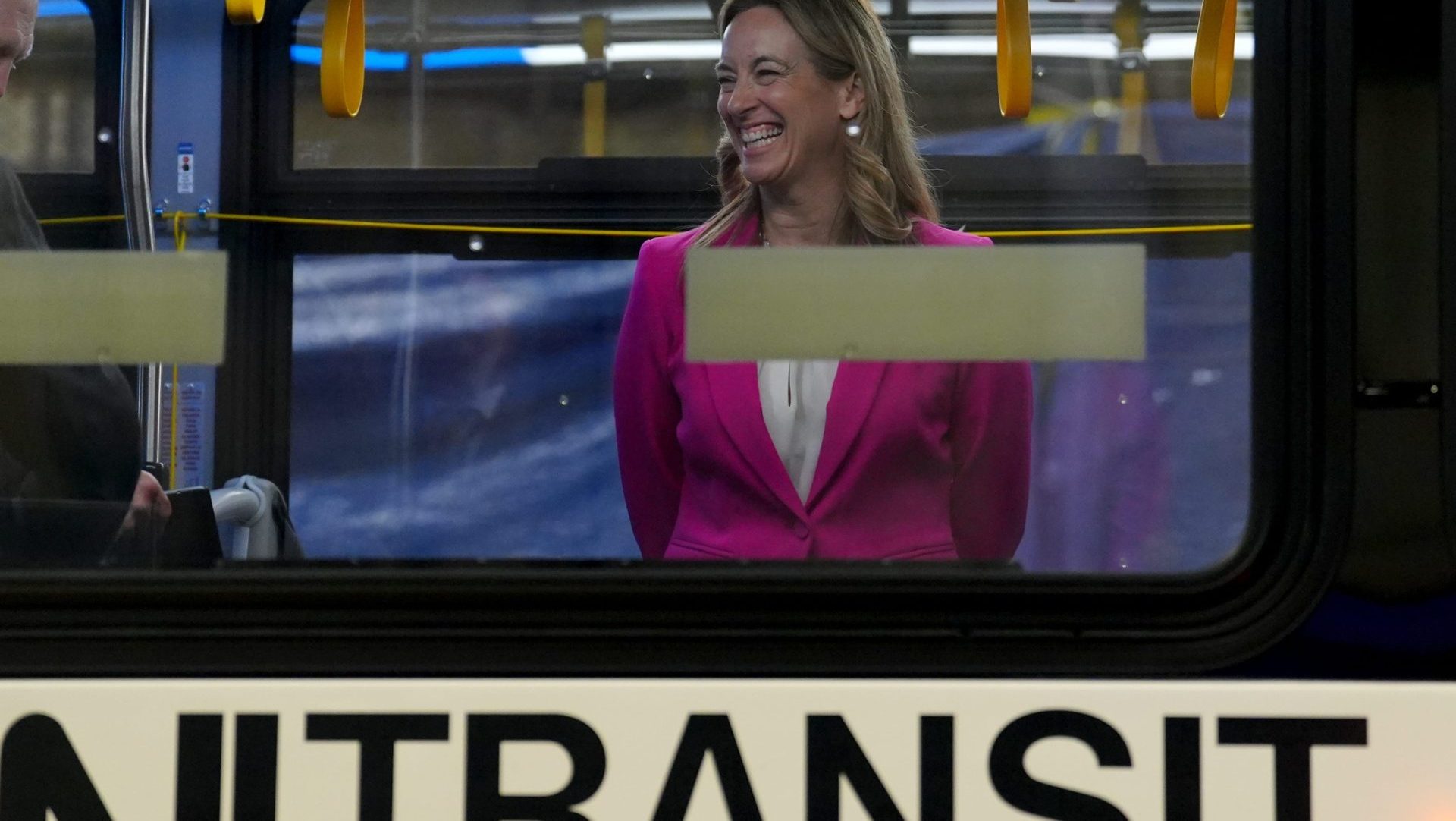
Photo · Front Office Sports
Here's what's changed. It used to be that a city hosting a major event absorbed some of the cost of moving people around. Not as charity — as infrastructure logic. You brought the event, you moved the crowd. That was the deal, implicit and unremarkable.
New Jersey just tore that deal up and handed fans the bill.
The Number That Tells the Whole Story
A $150 round-trip train ticket to reach a World Cup match. An $80 bus option if you want the budget version of the same inconvenience. These aren't scalped prices or third-party markups — this is NJ Transit, the public transit agency, setting the rate for what it will cost you to get from point A to the stadium. Front Office Sports reported that New Jersey officials have been explicit: they are not bearing these transit costs. The NY Post called the train price "exorbitant," which is the kind of word a tabloid reaches for when the facts are already doing the yelling.
Think about what you're actually buying for $150. Not a seat in the stadium. Not a view of the pitch. Not a beer or a scarf or a memory you'll describe to someone in twenty years. You're buying the right to stand on a train platform and travel to the place where the real ticket — which cost you considerably more — is waiting to be scanned.
Transit used to be the part of the event nobody charged you for twice.
When Infrastructure Becomes a Revenue Stream
There's a version of this story where you sympathize with the agency. Running extra trains for a massive international event costs real money. Staffing, scheduling, crowd management — none of it is free, and transit agencies aren't flush. If the math says the event costs X to service, someone has to pay X.
But that framing lets officials off too easy. The decision being made here isn't just financial — it's philosophical. New Jersey isn't saying we can't afford to subsidize this. They're saying we won't. The phrasing matters. "Not bearing transit costs" is a policy position, not a budget constraint. It signals that public infrastructure, when it serves a high-profile private event, is now a product to be priced accordingly.
And once that logic takes hold, it doesn't stay contained to the World Cup. It becomes the template. Every Super Bowl, every Final Four, every concert that fills a stadium — why wouldn't the transit agency charge what the market will bear? Fans will pay because they have to. The alternative is driving into a parking situation that will cost them just as much and take twice as long.
The people who get hurt aren't the ones who flew in from abroad with corporate hospitality packages. They're the ones who live in New Jersey, who grew up watching soccer, who saved for months to take their kid to a World Cup match on home soil — and are now discovering that the $150 starts before they even get to the gate.
That's not a transit pricing decision. That's a statement about who these events are actually for.
Keep reading sports.

ESPN Named Him. Then Unnamed Him. Nobody's Explaining the Gap.
A retraction without a reckoning is just a deleted link.

Three People Died Celebrating. FIFA Hasn't Said Their Names.
Mexico City buried three people after the World Cup crowds came through. At some point, the sport has to sit with that.

Sell the Stadium, Lose the Room
NFL franchises are rolling out the welcome mat for World Cup tourists — and the desperation is showing.
From the other desks.

800 Horsepower, One Ton of Doubt
Lamborghini built the most powerful SUV it's ever made. It's also slower than what it replaced.

Gold Leaf on a Lacquer Dial, and the Weight of What That Costs
Awake's Frosted Leaf Royal Blue asks a question Vietnamese craft has never quite had to answer at this price.

Hide My Email Has Been Showing Your Email
Apple's privacy flagship has a hole in it. They've known for over a year.