YouTube Knows You'll Pay. That's the Whole Point.
A writer at 9to5Google just admitted what the rest of us have been quietly living — and it says everything about who actually holds the cards.

Photo · 9to5Google
Someone at 9to5Google has staked out a position this week, and it's worth sitting with: YouTube Premium is raising its price for the first time in around three years, and the writer's reaction is essentially fine. More than fine. Willing. Almost grateful.
That's the tell.
Every Other Service Has to Earn It
When Netflix raises prices, there's a cancellation discourse. When Disney+ does it, people do the math on how many months they actually need to catch up on the MCU. The entire streaming economy has trained us to be mercenary — subscribe, binge, cancel, repeat. These platforms know it. They're all playing the same retention game, throwing money at content slates hoping something sticks long enough to justify your card on file for another quarter.
YouTube doesn't play that game. It doesn't have to.
The 9to5Google writer isn't accepting this hike because YouTube Premium is a great deal in the abstract. They're accepting it because the alternative — YouTube without Premium — is genuinely worse than not having it at all. That's a different kind of leverage. That's not "we made enough good shows." That's "we built the water supply and now we're adjusting the bill."
Indispensability Is a Different Business Model
Every other streaming service competes on content. YouTube competes on infrastructure. It's where the tutorials live, where the commentary lives, where the long-form conversations that don't fit anywhere else have quietly built audiences larger than most cable networks. The ads aren't an interruption to entertainment — they're an interruption to information, to habit, to the thing you opened your phone to do. That's a fundamentally different ask when you remove them.
And Google knows this. The confirmation that prices are going up comes with the implicit confidence of a company that has watched its platform become ambient — something people don't decide to use so much as something that's simply running. You don't cancel ambient.
What's interesting about the 9to5Google piece isn't the price hike itself. It's that a tech writer — someone paid to be skeptical of exactly this kind of corporate move — responded with acceptance. That's not a review. That's a confession. It's the sound of leverage working exactly as designed.
The streaming wars were supposed to be about choice. More options, more competition, better prices. What we got instead was one platform that sidestep the whole fight by becoming something closer to a utility. The others are still out there making pilots and buying sports rights and hoping you'll stick around. YouTube just raised the water bill.
And you're going to pay it.
Keep reading tech.

Hide My Email Has Been Showing Your Email
Apple's privacy flagship has a hole in it. They've known for over a year.

Sony Killed the Disc. Sony Is Also Killing the Store.
Two announcements, one company, and a quiet admission that "ownership" was always their word to define.
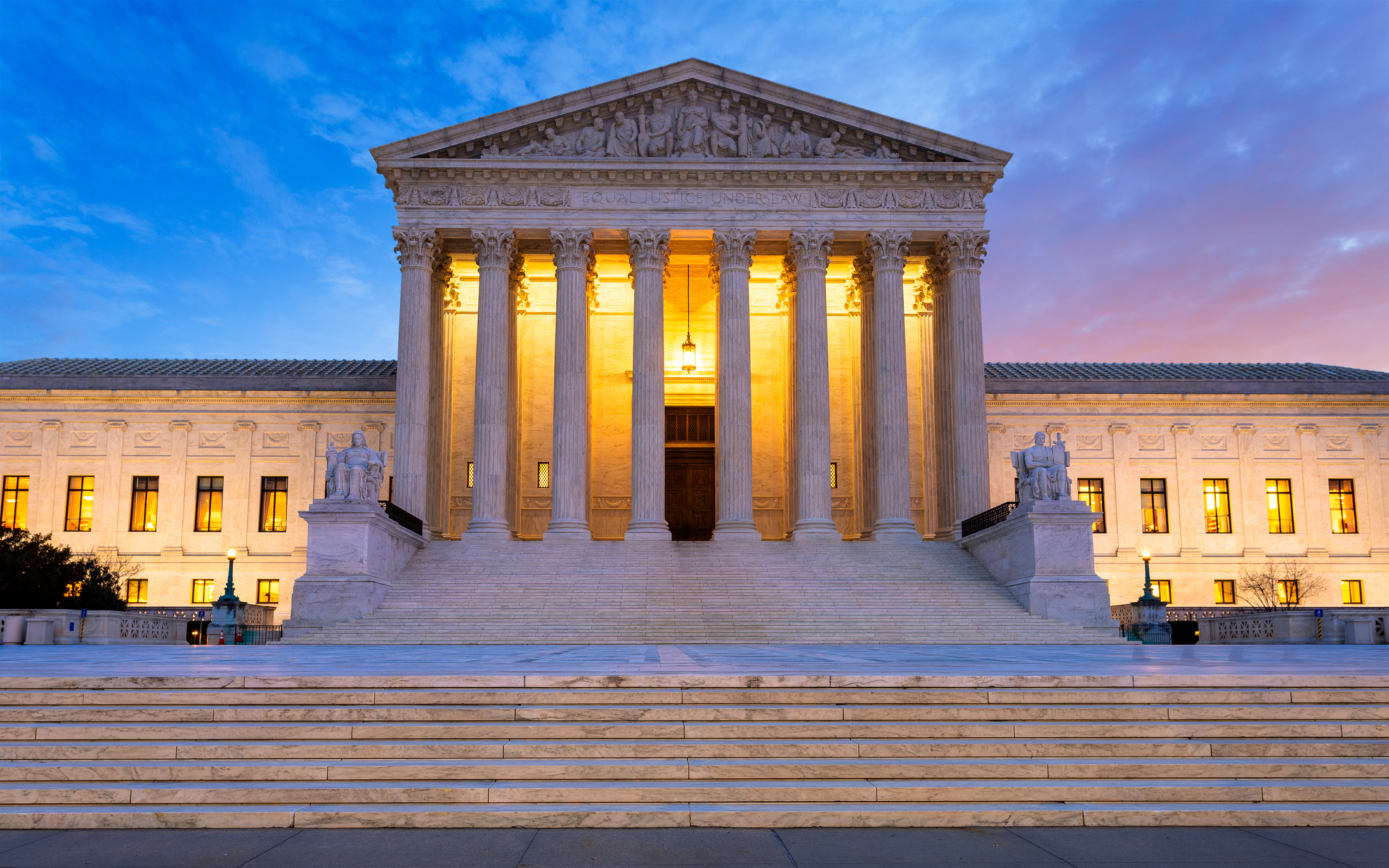
Apple Went to the Highest Court It Could Find. That Tells You Everything.
When a contempt ruling sends you to the Supreme Court, you're not defending a policy anymore — you're defending a worldview.
From the other desks.

800 Horsepower, One Ton of Doubt
Lamborghini built the most powerful SUV it's ever made. It's also slower than what it replaced.

Gold Leaf on a Lacquer Dial, and the Weight of What That Costs
Awake's Frosted Leaf Royal Blue asks a question Vietnamese craft has never quite had to answer at this price.

ESPN Named Him. Then Unnamed Him. Nobody's Explaining the Gap.
A retraction without a reckoning is just a deleted link.