338 Cars. That's What Trust Looks Like When It's Gone.
Volkswagen didn't have a product problem. It had a credibility problem. There's no refresh cycle for that.
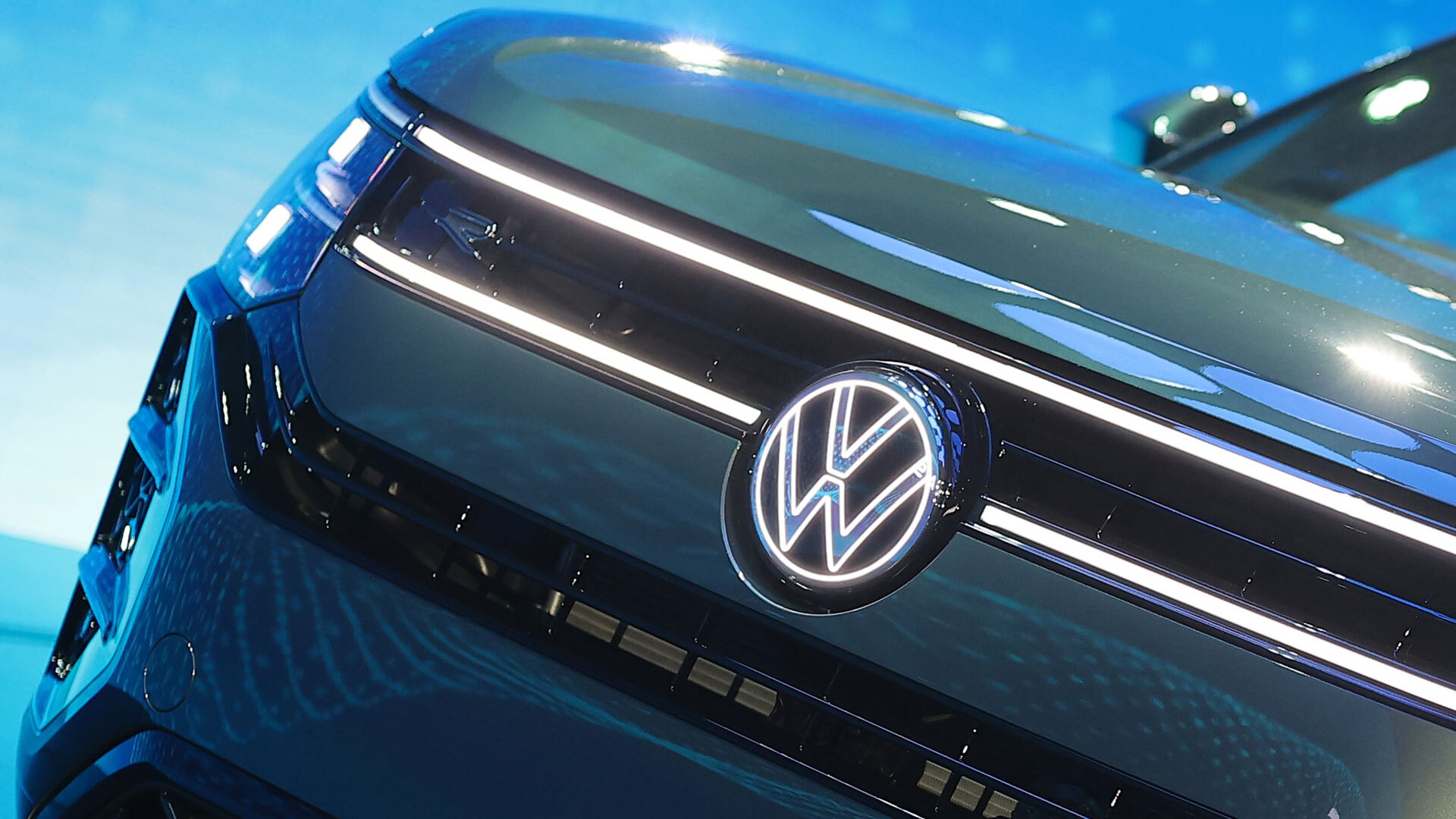
Photo · Carscoops
338 units.
In three months. Across the entire United States. That's not a slow quarter — that's a brand whispering into a room that stopped listening years ago.
Carscoops has the number, and it's brutal in the way only real figures can be: Volkswagen dealers moved 338 ID.4s in the first quarter of the year. A 96% sales collapse. And so VW has done the only logical thing — killed US ID.4 production entirely.
The piece frames it as a business decision. It is. But I keep coming back to what the number actually represents, because 338 isn't a product story. It's a trust story. And those are much harder to fix.
The Car Wasn't the Problem
The ID.4 is a real vehicle. It exists. People have driven it, reviewed it, bought it in other markets. This isn't a case of a concept that never made it to pavement. Whatever its flaws — and every EV has them — the ID.4 was a genuine attempt at a mainstream electric crossover in the segment Americans actually buy.
And still: 338.
That gap between product and reception is where the real story lives. Because the American consumer didn't reject the ID.4 on its merits alone. They rejected it in a market context that Volkswagen itself poisoned. The emissions scandal didn't just cost the company in fines and headlines — it cost them something quieter and more permanent. It cost them the benefit of the doubt.
When you're asking someone to trust you with an EV — a technology that still carries its own anxieties about range, charging, resale, software — you need credibility in the bank. Volkswagen spent years overdrawn.
No Model Fixes a Credibility Problem
Here's what the Carscoops piece reveals by simply reporting the number: there is no refresh cycle for reputation. You can't engineer your way out of a trust deficit. You can't rebadge it or restyle it or release a new trim level.
And VW's response — pulling US production — is the honest admission that they understand this, even if they won't say it that way. You don't walk away from a market because the car wasn't right. You walk away because the conditions for selling that car don't exist. Not yet. Maybe not for a long time.
The irony is almost too clean. The company that built its American identity on the Beetle — on charm, on personality, on a kind of underdog sincerity — now can't sell an electric crossover in a country that's actively trying to buy electric crossovers. The market is there. The buyers are there. VW just isn't someone those buyers want to trust with their next five years of transportation.
Other brands will fill that space. Some already are. The window VW needed to climb through is getting narrower every quarter they spend outside it.
338 cars. The number doesn't lie, and it doesn't forgive.
Keep reading cars.

800 Horsepower, One Ton of Doubt
Lamborghini built the most powerful SUV it's ever made. It's also slower than what it replaced.

£11,990 Draws a Line Under Every Excuse You Had Left
Dacia just made the cheapest new car in Britain electric — and that's not a footnote, it's a verdict.
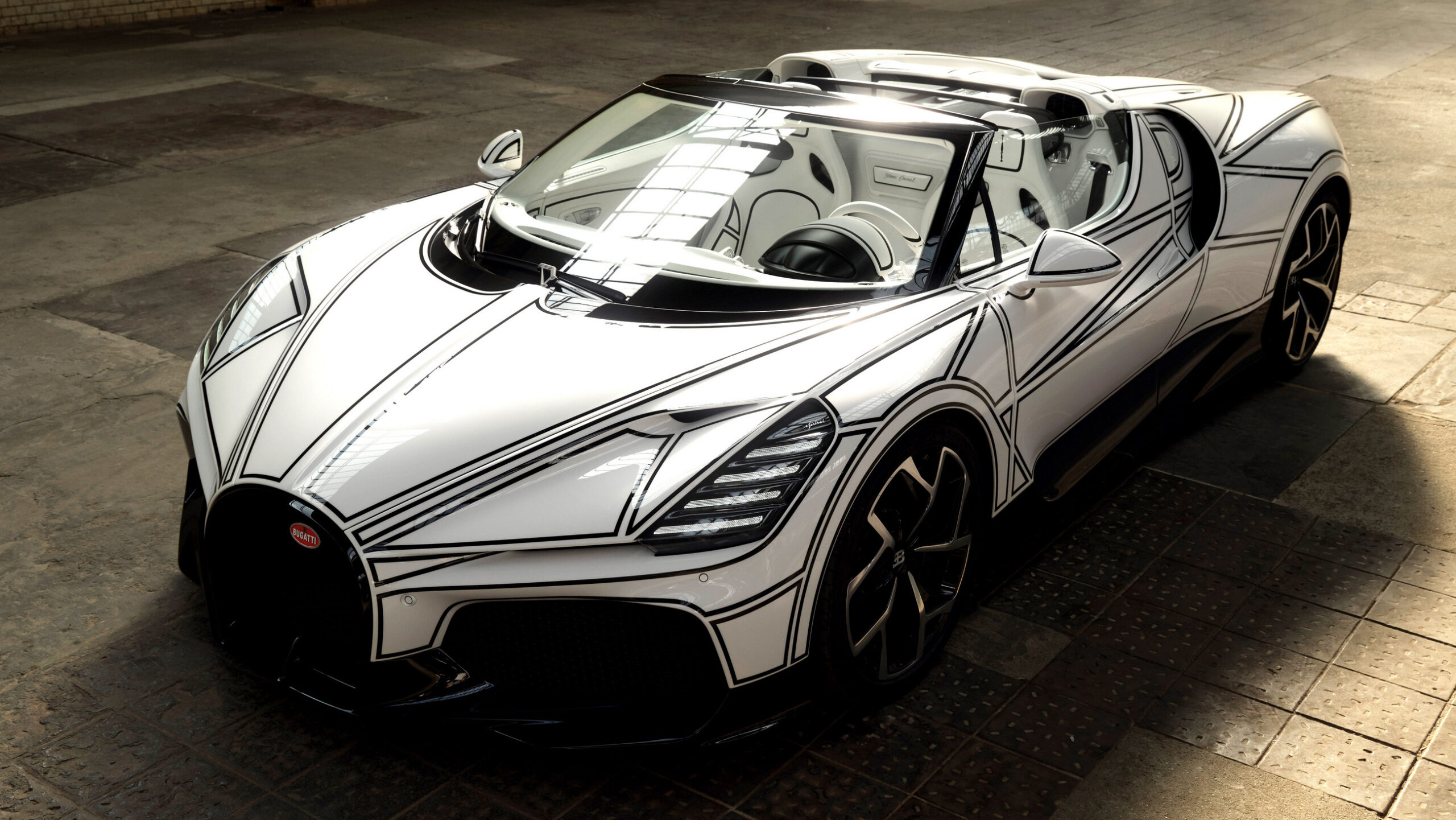
Blanc Éternel Hides Its Speed Behind a Gas Cap
Bugatti built a 261-mph roadster and made sure you'd notice the porcelain first.
From the other desks.

Gold Leaf on a Lacquer Dial, and the Weight of What That Costs
Awake's Frosted Leaf Royal Blue asks a question Vietnamese craft has never quite had to answer at this price.

ESPN Named Him. Then Unnamed Him. Nobody's Explaining the Gap.
A retraction without a reckoning is just a deleted link.

Hide My Email Has Been Showing Your Email
Apple's privacy flagship has a hole in it. They've known for over a year.