The Update Gap Is the Only Gap That Matters
BYD pushed 200 software updates last year. Toyota managed 8. That's not a statistic — it's a verdict.
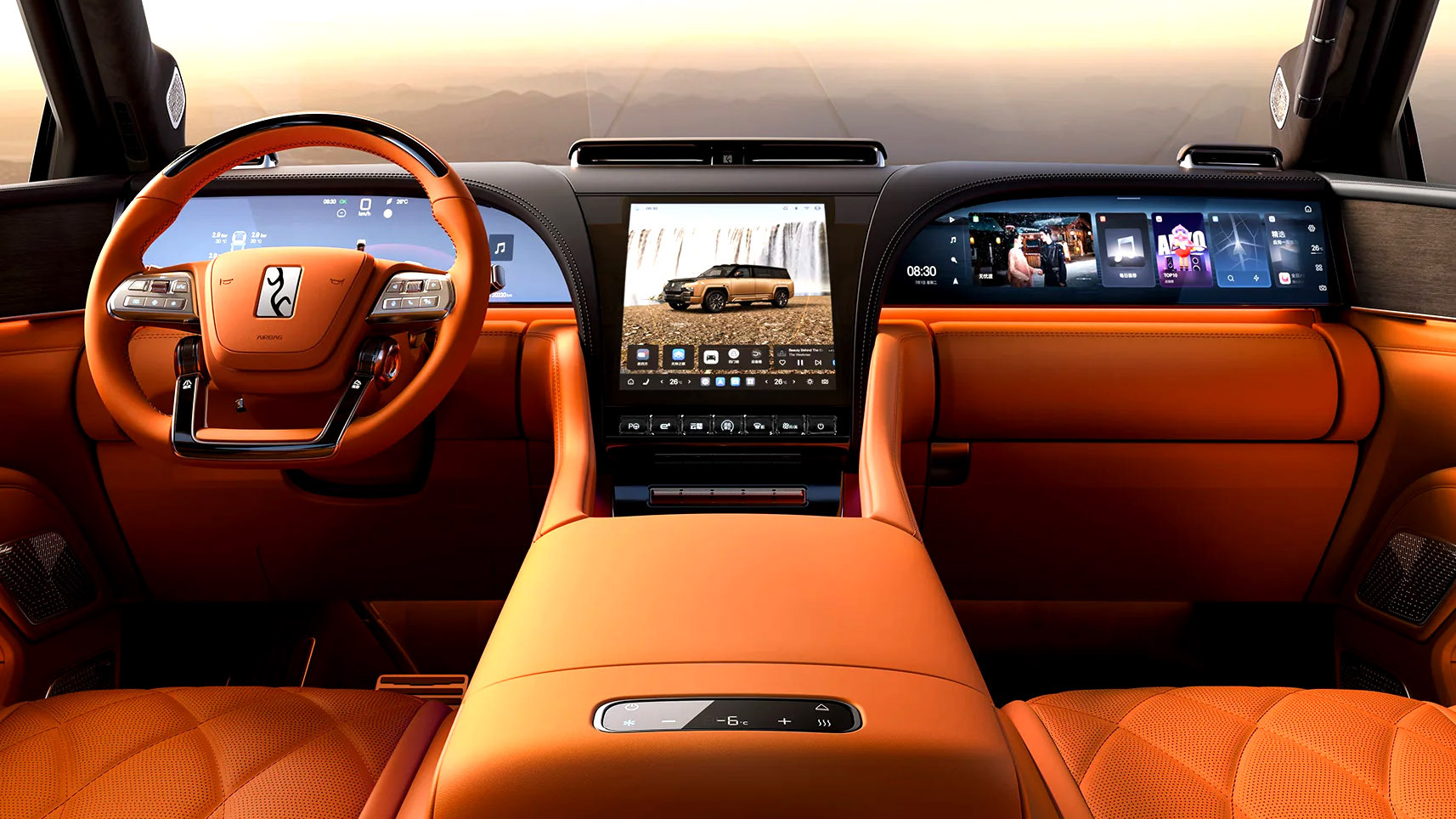
Photo · Carscoops
What 200 Versus 8 Actually Means
Forget horsepower. Forget range figures and 0–60 times and whatever charging speed someone just announced at a press event. The number that should be keeping legacy automakers up at night is this: BYD shipped 200 over-the-air software updates last year. Toyota shipped 8.
A writer at Carscoops flagged this gap recently, and the framing is hard to argue with. Chinese marques are treating car software the way Apple treats iOS — iterative, relentless, always moving. The traditional manufacturers are treating it like a firmware patch for a dishwasher. Once. Maybe twice. Call it done.
This isn't a small operational difference. It's a philosophical one. And it's the kind of philosophical difference that ends industries.
When software defines what a car can do — not just what it displays, but how it drives, how it learns, how it adapts — then the company that ships fastest is the company that improves fastest. Full stop. A vehicle that gets meaningfully better after you buy it isn't just a product. It's a relationship. And relationships compound over time in ways that a single transaction never can.
The Carscoops piece is right to surface this. The gap between 200 and 8 isn't a rounding error — it's a structural tell. It reveals who has built for a software-first world and who is still retrofitting software onto a hardware-first culture.
The Part That's Complicated
Here's where the picture gets more honest, though. The same piece notes that Chinese manufacturers are struggling to actually make money from these updates. The velocity is real. The business model is still being worked out.
This matters, and it shouldn't be glossed over. Shipping 200 updates is impressive. Building a durable revenue loop around those updates — one that sustains R&D, supports the infrastructure, and doesn't just cannibalize your own margins — is the harder problem. Tesla has been wrestling with this for years. The Chinese EV field is wrestling with it now.
So the question isn't whether BYD and its peers have lapped the old guard on iteration speed. They have. The question is whether iteration speed alone is enough to win, or whether the economics of software in a car — a thing people buy once every seven years, not every month — require a fundamentally different model than what worked in consumer tech.
I don't think that uncertainty diminishes the core argument. If anything, it sharpens it. The legacy manufacturers aren't even in the race yet. They're still debating whether to enter. By the time they figure out the revenue model, the Chinese brands will have figured it out too — and will have 200 more updates under their belt while doing it.
The car that sits in your driveway right now is, for most manufacturers, the best it will ever be. That used to be fine. That used to be the deal — you bought the thing, the thing was the thing, and time only moved in one direction.
That deal is over. The question now is which manufacturers have actually internalized that fact, and which ones are still hoping it isn't true.
Eight updates a year is hoping.
Keep reading cars.

800 Horsepower, One Ton of Doubt
Lamborghini built the most powerful SUV it's ever made. It's also slower than what it replaced.

£11,990 Draws a Line Under Every Excuse You Had Left
Dacia just made the cheapest new car in Britain electric — and that's not a footnote, it's a verdict.

Blanc Éternel Hides Its Speed Behind a Gas Cap
Bugatti built a 261-mph roadster and made sure you'd notice the porcelain first.
From the other desks.

Gold Leaf on a Lacquer Dial, and the Weight of What That Costs
Awake's Frosted Leaf Royal Blue asks a question Vietnamese craft has never quite had to answer at this price.

ESPN Named Him. Then Unnamed Him. Nobody's Explaining the Gap.
A retraction without a reckoning is just a deleted link.

Hide My Email Has Been Showing Your Email
Apple's privacy flagship has a hole in it. They've known for over a year.